Best Places to Visit in Agra: My Practical 2-Day Guide
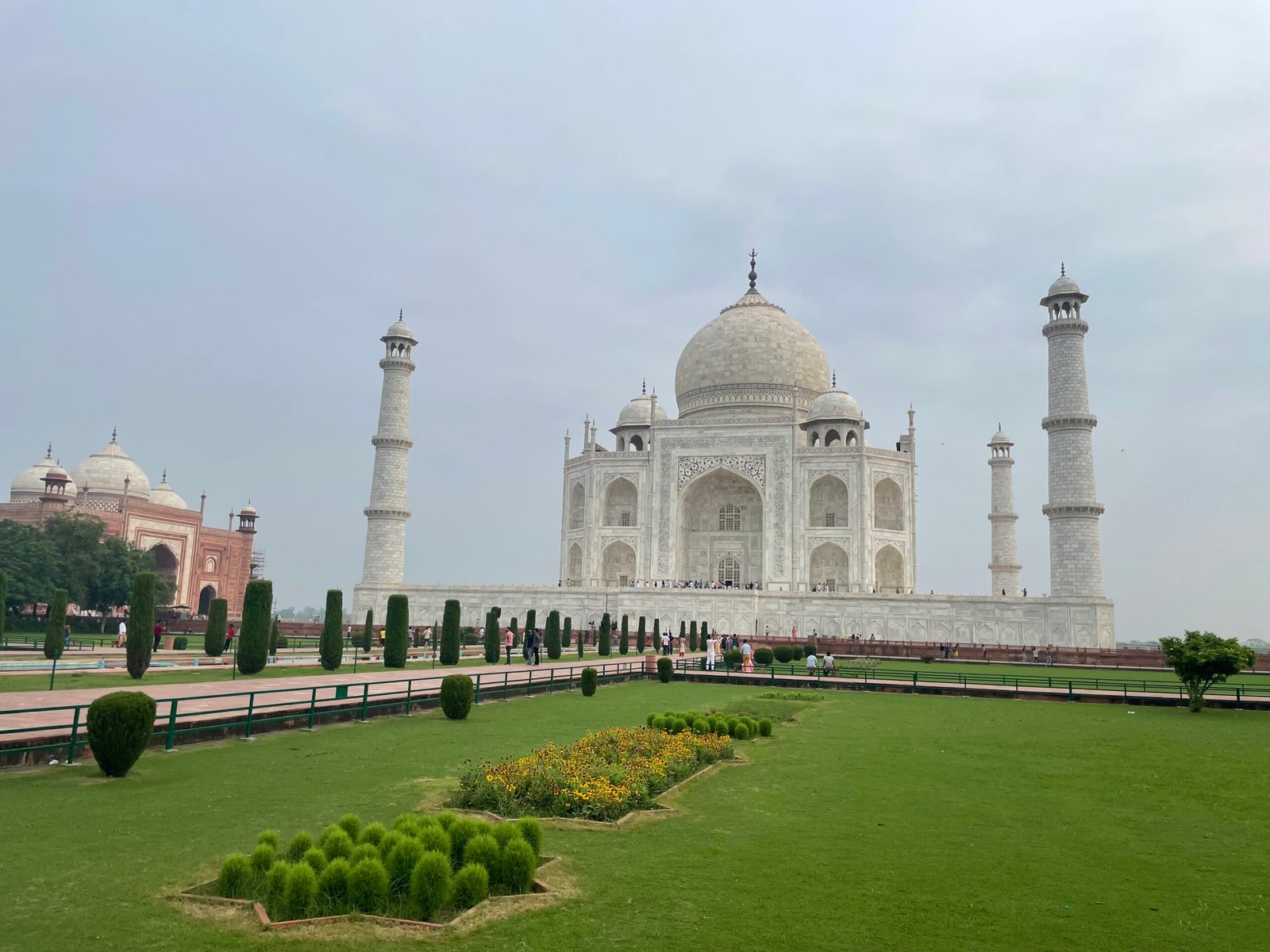
I reached the Taj Mahal around 5:30 in the morning, before the day had properly started. That early alarm was worth it. The light was softer, the heat had not settled in, and I had enough time to notice the symmetry instead of only fighting for a photograph.
Agra deserves more than a rushed Taj Mahal stop. Agra Fort changes the way you understand the Mughal city, Mehtab Bagh gives a quieter view across the Yamuna, and Fatehpur Sikri can fill most of another day. I first published these notes in 2023, then checked current monument information against the Archaeological Survey of India on 10 September 2026.
How many days should you spend in Agra?
One full day covers the Taj Mahal, Agra Fort and a sunset viewpoint if you begin early. Two days are better if you want Mehtab Bagh, local food and a slower pace. Fatehpur Sikri needs another half day because it sits outside central Agra and contains separate palace and religious areas.
Do not plan the Taj Mahal on a Friday. ASI’s current visitor information lists it as closed that day. The other monuments follow their own schedules, so a Friday can still be used for Agra Fort, Fatehpur Sikri or food stops after checking live access.
Travelling from Delhi to Agra
Train is my first choice for a short trip because it avoids the tiring drive into both cities. Gatimaan Express and Taj Express have served this route, but the exact departure times in my old article are no longer dependable. Search your travel date on the official railway booking system before building the day around either train.
Driving via the Yamuna Expressway gives more freedom for Fatehpur Sikri and other stops. The old article understated the Delhi-to-Agra distance at 136 kilometres, which is closer to an expressway segment than the complete journey. The real road distance depends on where you begin in Delhi and usually exceeds 200 kilometres.
My early morning at the Taj Mahal
The first large gateway hides the monument until the final approach. Then the Taj appears through the arch, centred so perfectly that the reveal feels deliberate even when you have seen it hundreds of times in photographs. The long water channel, gardens, mosque and matching guest building strengthen that symmetry.
My Taj Mahal virtual tour on YouTube shows the grounds from that early visit. I recorded that phones and cameras were allowed, while my tripod and microphone could not go inside. A free locker facility was available for restricted equipment during that visit.
Current ASI rules list food, tobacco products, drones, microphones, headphones, large bags and several other items as prohibited. Carry a phone, water in the permitted form, identification and as little else as possible. Security checks take longer when every person arrives with a full daypack.
Which Taj Mahal gate should you use?
The East and West gates are the main visitor entrances. I used the eastern side, where regular vehicles stopped before the gate and local transport covered the remaining stretch. Ignore the ₹10 auto estimate from the old post because transport prices and traffic controls have changed.
Choose the gate based on your hotel and current access arrangements, not an online claim that one is always faster. The South Gate is closed for visitor entry according to ASI’s current notice.
Tickets, mausoleum access and Friday closure
The ASI Agra visitor page currently lists a ₹50 Taj Mahal entry ticket for Indian visitors and confirms Friday closure. Foreign and SAARC or BIMSTEC rates are listed separately. Ticket categories can change, so use the official page or ASI ticket portal before paying.
During my visit, the main grounds ticket did not include entry to the central mausoleum, and I paid separately at the additional counter. ASI still treats certain access as an extra ticketed component, but I have not repeated the old ₹200 amount as a current guarantee.
Night viewing follows restricted half-hour slots around selected full-moon dates rather than ordinary daily opening. Tickets, dates, security and weather rules are different from daytime admission. Check the official schedule instead of arriving on a full-moon night and expecting entry.
How long I would allow
I can spend two to three hours here without forcing it. The central photograph takes minutes. Walking the gardens, viewing the mosque and guest building, queuing for the mausoleum and simply sitting with the river behind the monument take the rest.
Sunrise reduces the heat, but it does not guarantee an empty complex. Arrive before your planned entry time and accept that the famous central bench may have a queue.
Agra Fort is not a side note
Agra Fort is a vast red sandstone complex, not the western gate of the Taj Mahal as the old article mistakenly said. It served as a Mughal residence and administrative centre, with palaces, audience halls, courtyards and defensive walls inside.
The fort gives distant views towards the Taj Mahal from several points. That connection was the most interesting part for me because the two monuments stopped feeling like isolated attractions. Local guides were available, but I would verify an official identification card and agree on the price before starting.
ASI currently lists Indian entry at ₹50 on regular days, with separate foreign and regional visitor prices. The monument is normally visited between sunrise and sunset, but current gate information should be confirmed before travelling.
Mehtab Bagh for the view across the river
Mehtab Bagh lies across the Yamuna from the Taj Mahal. The garden is the useful choice when you want a wider view of the monument without returning through Taj security. Plants, paths and open ground create more breathing space than the busy streets around the main gates.
I would go late in the afternoon, leaving enough time to enter before closing. Haze, river conditions and seasonal light affect the view, so the sunset isn’t always the glowing postcard people expect.
ASI’s current visitor table lists Indian admission at ₹25. It also lists separate fees for foreign visitors and other groups. Recheck the official page because entry charges are easier to change than old articles are to update.
The Yamuna viewpoint and local boat rides
My earlier notes described a riverside point reached from the East Gate side, with a temple, evening prayers and a rear view of the Taj Mahal. Local boat operators were offering rides from that area during the visit. The boat stayed on its permitted side of the river and gave us a different angle.
I have removed the old ₹200 price, 6 am start and advice to bargain. River access and boating can be restricted for security, weather, water level or environmental reasons. A local operator standing beside the water is not proof that a ride is authorised or safe that day.
If you go, check with local authorities or your registered accommodation before boarding. Life jackets and permission matter more than recreating a social-media frame.
Fatehpur Sikri needs its own half day
Fatehpur Sikri is more than Buland Darwaza. ASI divides the protected area into the palace complex, dargah complex, city walls and gates, water systems, public buildings and other remains. Akbar moved his court here in 1572 and stayed until 1585.
My Fatehpur Sikri tour on YouTube records the visit with a local guide. We entered the active mosque and dargah area after removing our shoes, then saw the white marble tomb of Sheikh Salim Chishti, Buland Darwaza and the surrounding red sandstone structures.
The guide’s narration contained several stories that I would treat as oral interpretation rather than settled history. What the site itself made clear was the contrast between the red sandstone complex and the marble screens around the saint’s tomb. Those screens looked delicate from a distance and far more impressive close up.
The palace and dargah are distinct areas
Visitors often arrive expecting one gate and one ticket. The palace complex and the Jama Masjid or dargah side have different entrances and visitor arrangements. The mosque remains active, so prayer, clothing and footwear rules apply regardless of sightseeing plans.
ASI lists Fatehpur Sikri as open from sunrise to sunset. Its current visitor table lists Indian entry at ₹50 on regular days, while the dedicated monument page explains the separate Agra Development Authority toll component. Confirm both before visiting because the two official pages display fee information from different update periods.
Children below 15 are listed for free entry on the monument page. The same page records 93 protected monuments around Fatehpur Sikri and confirms its UNESCO World Heritage status since 1986.
Three quieter additions
Itimad-ud-Daulah’s Tomb
Often called the Baby Taj, Itimad-ud-Daulah is smaller and easier to absorb than the main monument. The marble inlay and riverside setting reward a slow look, especially if Taj Mahal crowds have drained your patience.
ASI lists it among Agra’s ticketed monuments, with Indian admission currently shown at ₹30 on regular days. I would allow forty-five minutes to an hour.
Akbar’s Tomb at Sikandra
Akbar’s Tomb sits at Sikandra, away from the tight cluster around the Taj. The gateway, gardens and sandstone mausoleum suit travellers interested in Mughal architecture but tired of the busiest sites.
Current ASI visitor information lists Indian admission at ₹30 on regular days. Combine it with the road to Mathura or Delhi rather than crossing Agra only to tick another box.
Mariam’s Tomb and Ram Bagh
Mariam’s Tomb and Ram Bagh appeared as brief afterthoughts in the old guide. They remain ASI-ticketed monuments, yet neither needs to be forced into a first visit. Add one if it fits your route and you genuinely want a quieter historical stop.
The current Indian entry shown by ASI is ₹25 for each. That low price does not remove the time cost of moving through Agra traffic.
Food I remember from Agra
Petha is the obvious edible souvenir. It is made from ash gourd and appears in plain, saffron, paan, fruit and chocolate variations. I mentioned Panchi Petha in the original post, but stores using similar names can confuse visitors. Check the exact branch and sealed packaging before buying.
Sadar Bazaar worked better for an evening walk, street snacks and leather shopping. I found samosa, chaat, jalebi and chole bhature around the market. Food counters open at different times, so the old claim that everything starts after 3 pm was too broad.
Sheroes Hangout was my more meaningful café stop. The initiative is associated with women who survived acid attacks, and my personal order notes singled out cold coffee and noodles. I have removed the old budget and opening time because both need a current check.
Where I would stay
The East Gate side is convenient for an early Taj visit. My earlier guide mentioned Moustache and Madpackers as budget options, but hostel names, ownership and facilities change. Check recent reviews, the walking route, locker access and vehicle parking before booking.
A distant Taj view is not the same as walking proximity. I would rather stay somewhere clean and reach the gate before sunrise than pay only for a rooftop photograph that depends on haze.
A two-day Agra plan I would use
On day one, visit the Taj Mahal at sunrise, eat breakfast near your hotel, rest through the hottest part of the afternoon, then choose Mehtab Bagh or a verified riverside viewpoint. Use the evening for Sadar Bazaar or a quiet meal.
On day two, start with Agra Fort, have lunch at Sheroes Hangout if its current location and hours work, then add Itimad-ud-Daulah or Sikandra. Fatehpur Sikri should replace those smaller stops if it is a priority, not be squeezed in after them.
What I corrected in this update
The old guide understated the Delhi road distance, called Agra Fort part of the Taj Mahal, repeated stale ticket prices and gave unverified boat schedules. It also included generic FAQ answers with factual errors about Fatehpur Sikri. Those sections are gone.
The two genuine creator videos remain as playable links because they document the actual Taj Mahal and Fatehpur Sikri visits. The article now separates what happened during those visits from information that ASI publishes today.
My Agra verdict
The Taj Mahal is the reason most people arrive, and it justified the early start for me. Agra Fort added the missing historical scale. Fatehpur Sikri was rewarding, but only when I gave it enough time and stopped thinking of it as one famous gate.
Agra can be tiring. Crowds, guides, transport offers and repeated sales pitches compete for attention. A smaller plan makes the city better: one major monument at a time, light luggage, official tickets and no pressure to accept the first offer outside a gate.
If Agra is the final part of your Golden Triangle route, use my refreshed guides to places to visit in Delhi and places to visit in Jaipur. You may also want my Neemrana Fort Palace stay review for the drive between Delhi and Rajasthan.
Sources and update note
This guide was refreshed on 10 September 2026. Current closures, fees, prohibited items and monument classifications were checked against the Archaeological Survey of India, Agra Circle. First-hand arrival time, locker experience, photography restrictions, food preferences and Fatehpur Sikri observations come from my original article and videos. Always recheck official information before travelling.