Vada Pav Gurgaon Review: ₹50 Sector 56 Cart
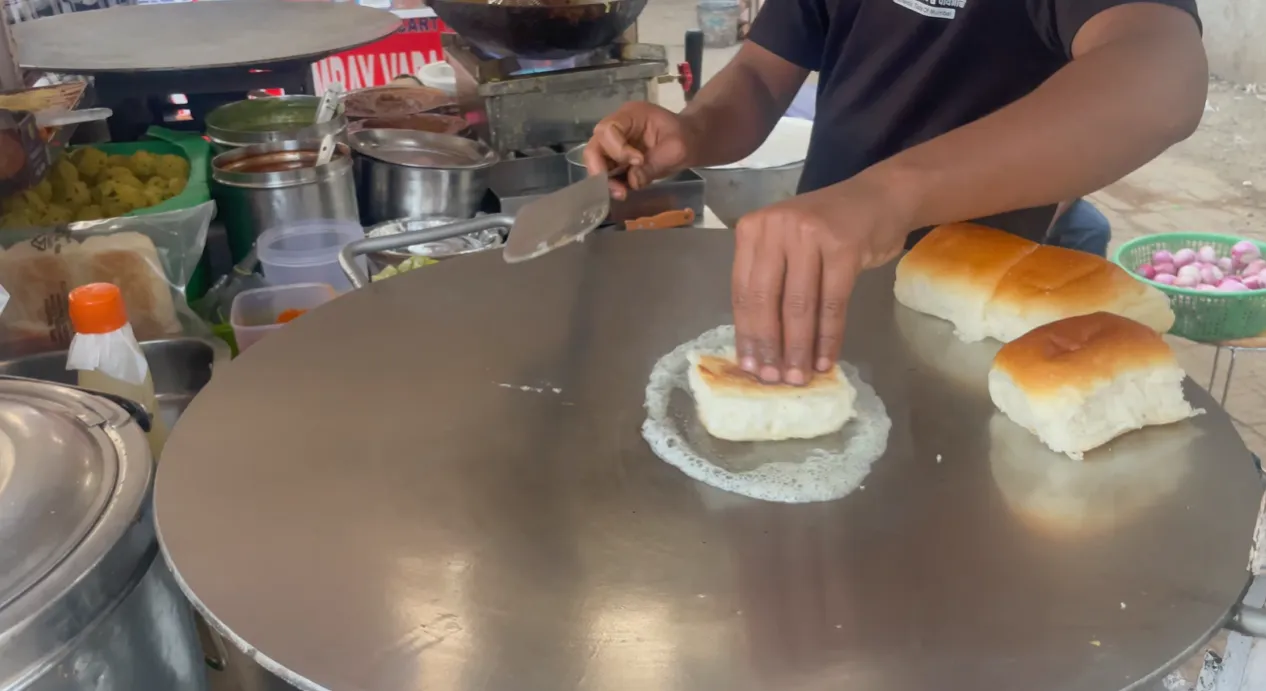
My vada pav Gurgaon visit started with butter hitting the hot tawa. The vendor pressed the pav into it, turned it until the surface picked up colour, and then added the fresh potato vada with chutneys. I had come to Gurgaon’s Sector 56 market for exactly this kind of quick roadside snack, not a long cafe meal.
I paid ₹50 for the butter vada pav during my visit. It was fresh, filling enough for an evening snack and, more importantly for me, prepared at a cart that looked cleaner and more organised than many of the stalls around it. I’d eaten here before, so this wasn’t a first-bite verdict based on one lucky serving.
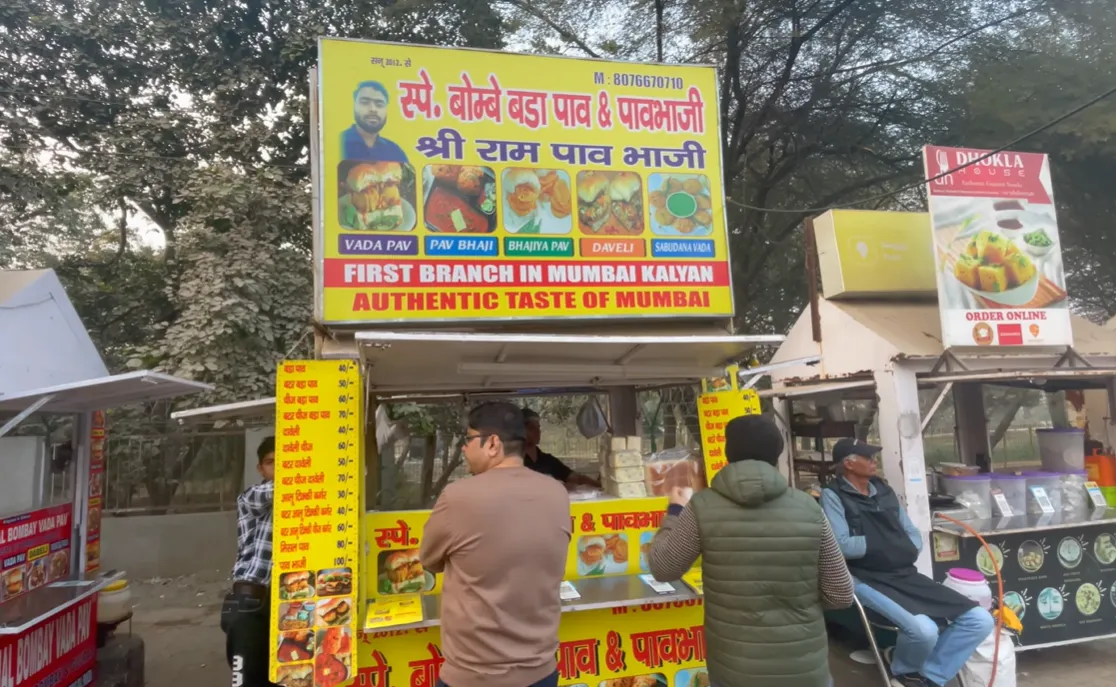
If you’re searching for vada pav in Gurgaon, this cart in the Sector 56 HUDA Market is a practical option to know about. The sign above it reads “Spl. Bombay Vada Pav & Pavbhaji” and “Shri Ram Pav Bhaji.” I’ll explain what I ate, what impressed me, what I’d still check before ordering, and how to find the cart without wandering through the whole market.
My vada pav Gurgaon verdict from Sector 56
Yes, I’d eat here again. The strongest reasons are simple: the vada pav tasted fresh, the buttered pav came hot from the tawa, the ₹50 price felt fair during my visit, and the cart’s working area looked comparatively clean. The staff also appeared professional in the way they handled the stall and prepared the order.
I wouldn’t call this a health-food recommendation. It’s a fried potato snack served in bread and finished with butter. That’s part of the appeal, frankly. My point about hygiene is narrower: among roadside carts, the visible preparation setup here gave me more confidence than several others I’ve seen in the same market.
There’s one useful caution. Online delivery listings can show different prices from what I paid at the cart, and prices may have changed since my visit. Treat ₹50 as my visit price, not a permanent menu promise. Ask before ordering.
What I ordered and what arrived
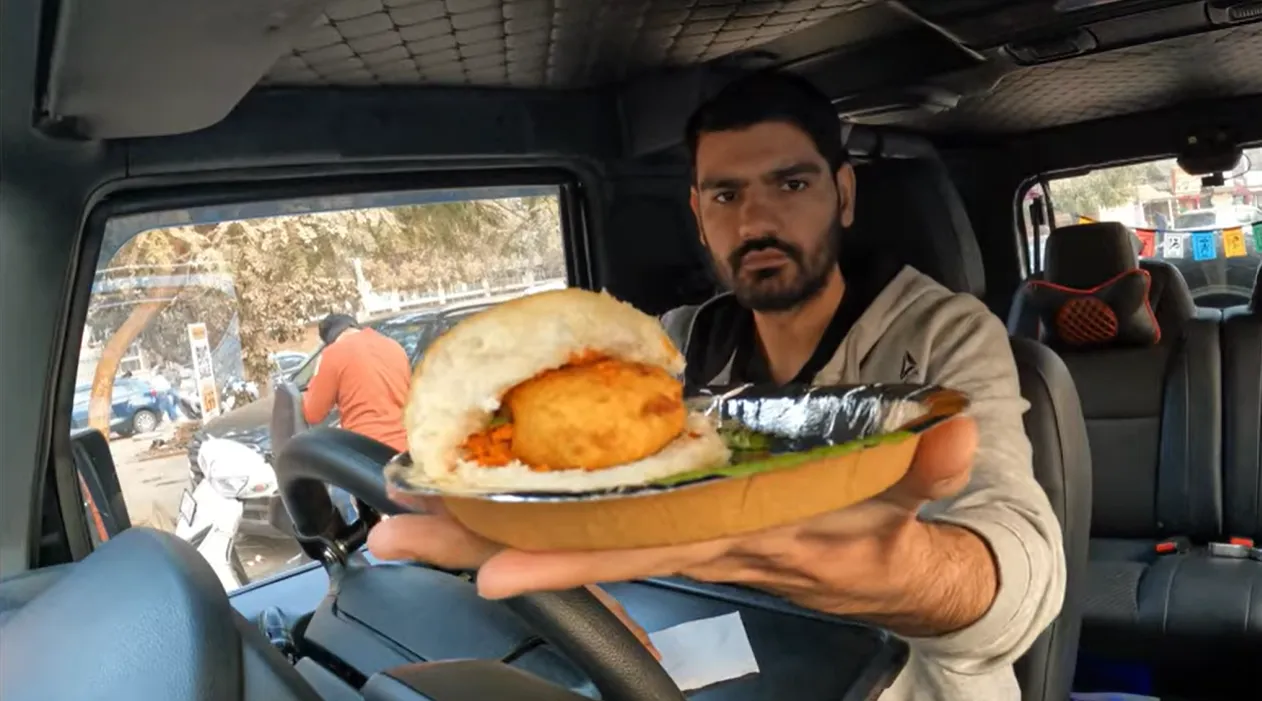
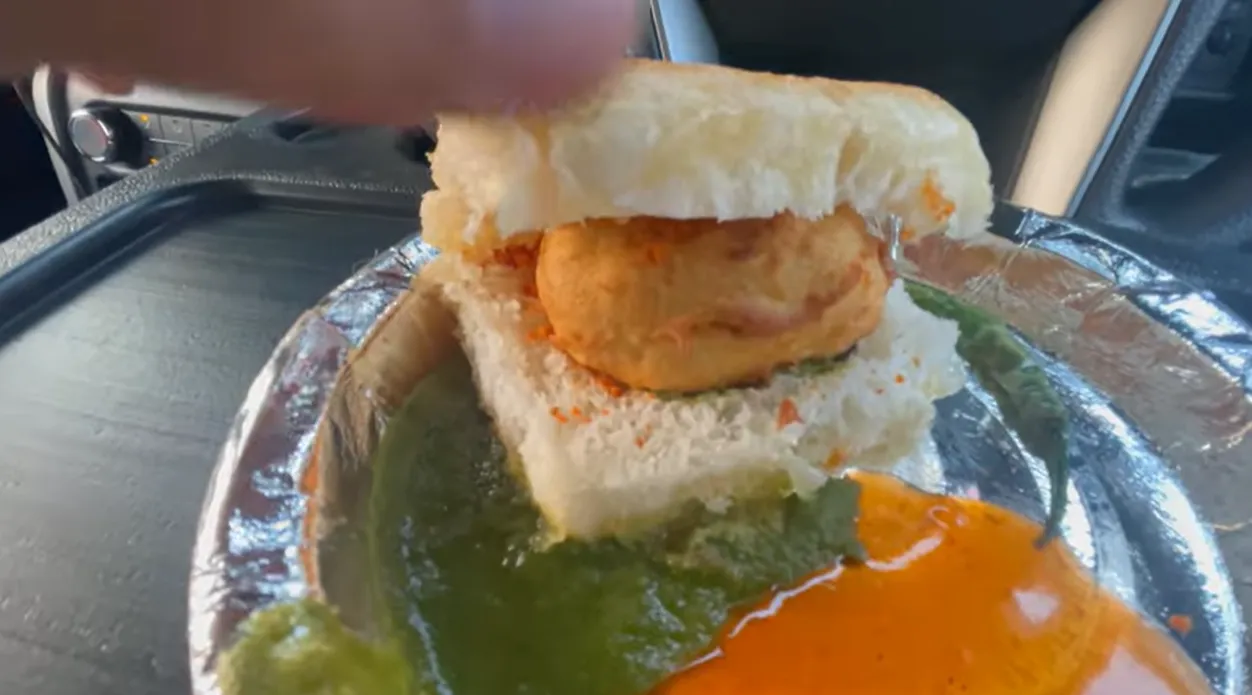
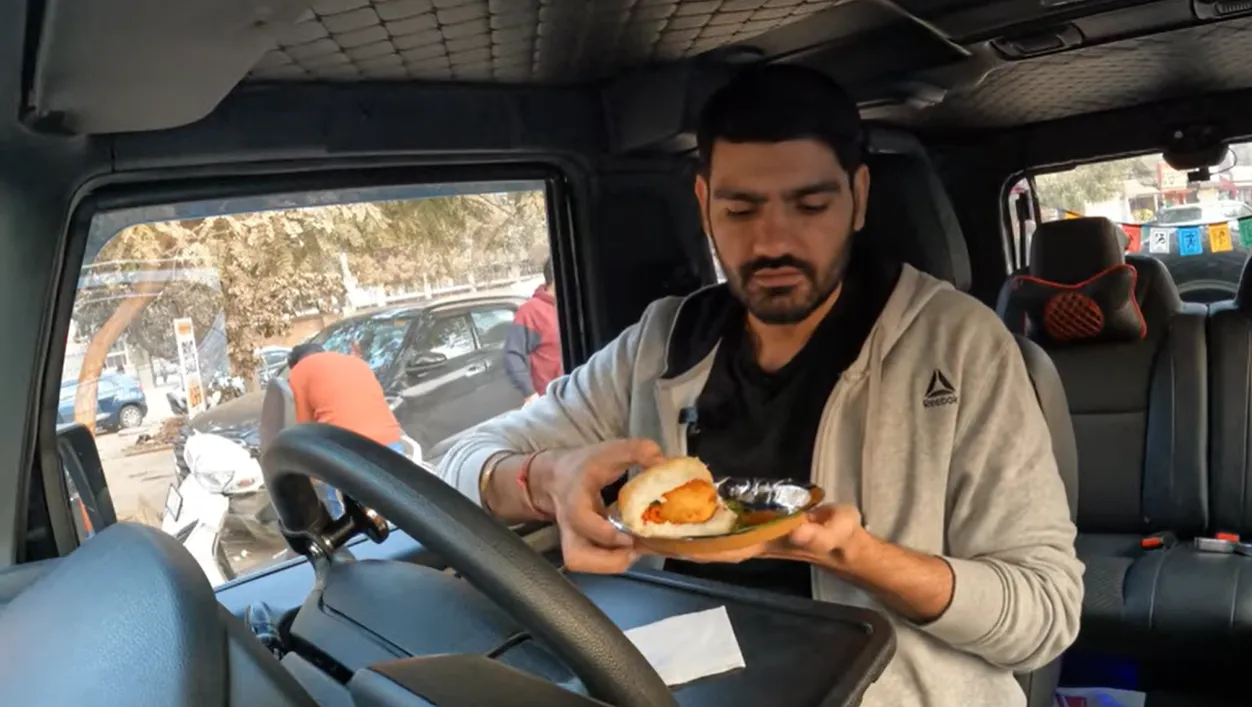
I ordered one butter vada pav. The vendor toasted the pav on a large metal tawa with butter, then assembled it with a freshly fried potato vada and chutneys. My plate also came with green and red chutney on the side, so I could add more according to taste instead of having the bread completely soaked.
The first thing I noticed was freshness. The pav was soft inside, lightly toasted outside, and still warm when I carried it back to the car. The vada had the contrast I wanted: a fried outer layer and a soft potato centre. It didn’t feel as if it had been sitting around for hours and reheated only for the order.
The butter changes the experience. It adds richness and makes the pav slightly crisp where it touches the tawa, but it also makes the snack heavier than a regular vada pav. If you prefer a cleaner, less buttery bite, ask whether the regular version is available. The cart’s visible menu also lists several variations, though I’m reviewing only the butter vada pav I actually ate.
Was it a textbook Mumbai vada pav? I’m careful with that claim. The cart markets itself around a Mumbai connection, and the sign mentions a first branch in Mumbai Kalyan. Taste, bread style and chutney balance can still be debated by anyone who grew up eating vada pav in Maharashtra. I can only say that I liked this serving and returned because my earlier experience had also been good.
The hygiene difference mattered to me
Street food reviews often talk about flavour and skip the preparation area. I can’t do that. Water access is limited around mobile carts, utensils may be washed repeatedly in the same small supply, and the space behind some stalls can become messy. I’ve seen enough of that in Sector 56 to check the working area before I order.
This cart looked cleaner by comparison. Ingredients were arranged in containers, the cooking surface was visible, and the person preparing the food worked in a controlled way rather than reaching through a cluttered pile. The stall itself appeared maintained. That doesn’t amount to a laboratory inspection or a guarantee about food safety, but it is a real observation from my visit.
I’d still use the same common-sense checks anywhere: look at the oil, see whether ingredients are covered, notice how money and food are handled, and check the area behind the cart. A clean signboard means little if the working surface tells a different story.
Here, what I could see was reassuring enough for me to order. The fact that the vada tasted fresh supported that impression, though taste alone can never prove hygiene.
How to find the cart in Sector 56 Market
The cart is in the cluster of food stalls at the Sector 56 HUDA Market in Gurugram. My easiest visual reference is The Kachori Story, a permanent shop that is visible from the parking side. Walk beside that shop towards the rear food-cart lane and look for the bright yellow board carrying the names “Spl. Bombay Vada Pav & Pavbhaji” and “Shri Ram Pav Bhaji.”
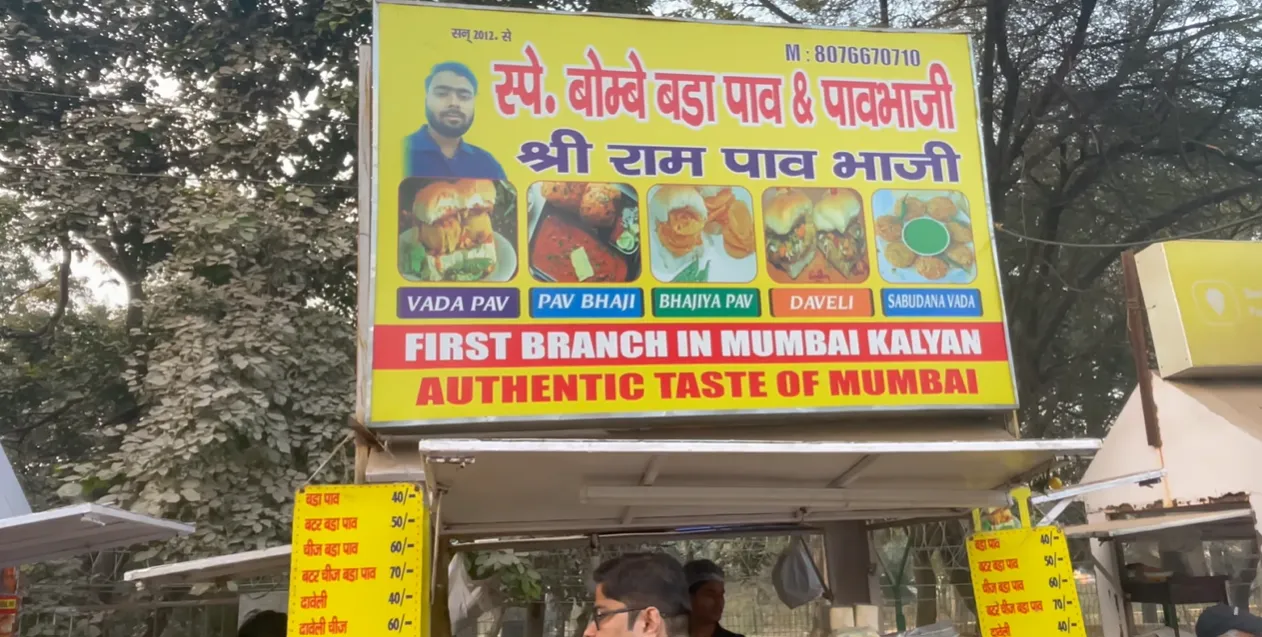
That reference is more useful than telling someone to walk around the market until they see vada pav. Sector 56 has many carts, signboards and people moving through a relatively compact area. In the video, I show the route from where I parked to the stall so you can match the surroundings.
A public listing identifies a similarly named Spl. Bombay Vada Pav at Cart 143 in HUDA Market, Sector 56. Because carts can move and listing details can become stale, I’d use the landmark and the signboard together. If you’re making a special trip, check the latest map or delivery listing before leaving.
When should you go?
I was in the market at about 5 pm. The evening food scene was beginning to open, although one stall I had hoped to show was still closed. That’s normal for this sort of market. Some vendors start later, and the area becomes busier as office hours end and people arrive for snacks or dinner.
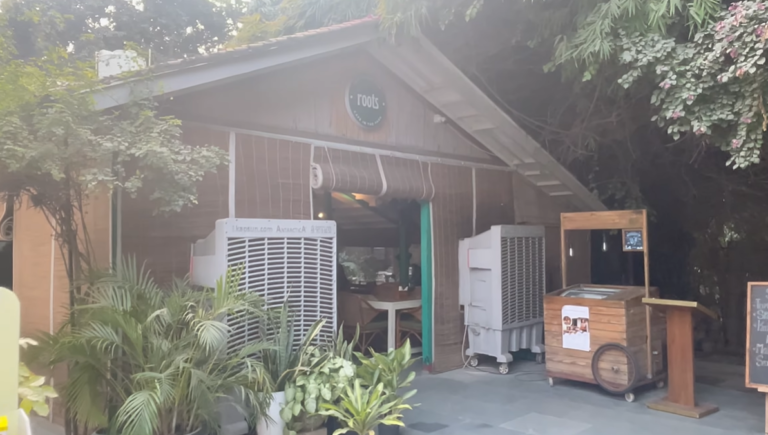
Third-party listings currently show evening hours for similarly named vada pav stalls in this market, but I wouldn’t build a trip around a fixed closing time. A cart can open late, take a day off or move temporarily. Early evening is the window I’d try, with the understanding that live conditions matter more than an old listing. You can compare that casual timing with my Roots Cafe Gurgaon visit, where arriving at the right time made a noticeable difference to the experience.
The stall is best suited to takeaway or a quick bite. I ate in my parked car, which suited the food perfectly. This isn’t a sit-down restaurant review with table service, air-conditioning and a washroom. You come here because you want something hot, inexpensive and immediate.
Parking and eating in the car
I found a place to park near the market and carried the order back to the car. The video shows the walking route from that spot, but I’m not presenting it as a reserved or guaranteed parking area. Sector markets change character quickly in the evening. A space that is open at 5 pm may be occupied twenty minutes later.
Eating in the car also exposed one small trade-off. Vada pav is best straight from the tawa, especially when butter has crisped the bread, so don’t leave it wrapped for a long drive home. Steam softens the toasted surface, and the chutney can make the lower half soggy. I ate mine nearby while it was still hot.
The disposable plate was practical rather than elegant. It held the vada pav, green chutney and red chutney without creating much mess, but I still kept a tissue nearby. If you’re ordering for several people, check that the chutneys are packed separately before getting back into the car.
Price, value and the online-listing mismatch
My butter vada pav cost ₹50. For Gurgaon in 2026, that felt genuinely pocket-friendly, especially because the serving was fresh and the cart looked better maintained than many alternatives. It’s the kind of amount that makes an unplanned snack easy to justify.
Current online listings may show a higher delivery price. For example, a Swiggy listing for Special Bombay Vada Pav shows butter vada pav at ₹70, while other listings for Sector 56 have different menu details. Delivery platforms often include updated pricing, packaging or platform-related differences, and they may not always match the amount charged at the physical cart.
So the honest answer is this: I paid ₹50 at the stall during the filmed visit. Confirm today’s price when you order. I’d rather give you that clean distinction than quietly replace my real bill with a newer online number and pretend it was what happened.
What else is around the stall?
The Sector 56 market has several food carts close together, which makes it useful when a group can’t agree on one snack. There was a Darjeeling momos stall nearby during my visit, and The Kachori Story works as both a food option and a navigation marker. I’d planned to show another stall selling churros, but it wasn’t open at about 5 pm.
I didn’t replace that missing stop with a made-up tasting note. I simply couldn’t try it that day. If it’s operating on a future visit, it can become a separate review with its own evidence. The same rule applies to the surrounding carts: their presence doesn’t make them recommendations until I’ve actually eaten there.
This is also why I’m exploring Gurgaon’s breakfast counters and pocket-friendly stalls alongside cafes. Sometimes you don’t want a themed room or a two-hour meal. You want to park, pick up something hot, eat it while it’s fresh and continue with the day. For a very different nearby meal format, see my Malabar Coast Gurgaon dosa review.
Who should try this stall?
This vada pav makes sense if you’re already in or near Sector 56, want an evening snack, and care about visible cleanliness as much as price. It’s also useful for people who prefer a quick takeaway over sitting in a restaurant. At my visit price, it was an easy option for a solo snack.
If you’re travelling across Gurgaon only to find an exact replica of your favourite Mumbai stall, manage that expectation. “Authentic” is a big word, and local opinions differ sharply. Even Gurgaon discussions about vada pav argue about the pav, chutney, filling and which cart comes closest.
If your question is simpler, “Can I get a good, fresh butter vada pav in Sector 56 without spending cafe money?” then my answer is yes. This cart worked for me more than once.
Questions people usually ask
How much was the butter vada pav?
I paid ₹50 at the cart during my filmed visit. Online listings may show a different or newer price, so confirm the amount before ordering.
Is the stall easy to locate?
Look for The Kachori Story from the parking side of Sector 56 HUDA Market, then walk beside it towards the rear cart area. The vada pav cart has a large yellow signboard.
Did the cart look hygienic?
It looked comparatively clean and organised during my visit, with a visible cooking surface and orderly preparation. This is a personal observation, not a formal food-safety inspection.
Is there seating?
I treated it as a takeaway cart and ate in my car. Don’t expect the facilities of a sit-down restaurant.
What did you actually try?
I tried the butter vada pav. I didn’t taste every item shown on the cart’s menu, so this review doesn’t rate its pav bhaji, dabeli, sabudana vada or other variants.
Would I return?
I already have. That repeat visit matters more than a dramatic one-line rating. The vada pav was fresh on both occasions, the price was reasonable at the time, and I felt comfortable ordering after looking at the cart and its preparation area.
My next visit would be just as practical: check the workspace, confirm the current price, order the butter vada pav and eat it before the toasted pav loses its texture. Street food rarely needs a grand ceremony. Sometimes a hot ₹50 snack, made cleanly and served without fuss, is exactly the result I wanted.
Visit details, cart position, prices and timings can change. This review records my own experience and the amount I paid during the filmed visit.