Madmaheshwar Trek: Our Ransi to Madhyamaheshwar Temple Walk
The Madmaheshwar trek started with a long descent from the Ransi roadhead. Two waterfalls, the river below us, and no serious climbing yet. It felt easy at first. Bantoli changed that. The uphill stretch from there took far more out of me than those first kilometres suggested.
We had left the car near Hotel Mountain View and set out early. Our plan was to reach the temple that afternoon, sleep nearby, then walk back the next day. Here is what happened between the parked car and the temple.
Madmaheshwar trek video: Ransi to the temple
Watch our full Madmaheshwar trek vlog on YouTube. It shows the roadhead, Gaundhar, the bridge near Bantoli, the later climb and our time at Madhyamaheshwar Temple.
Starting at the roadhead beyond Ransi
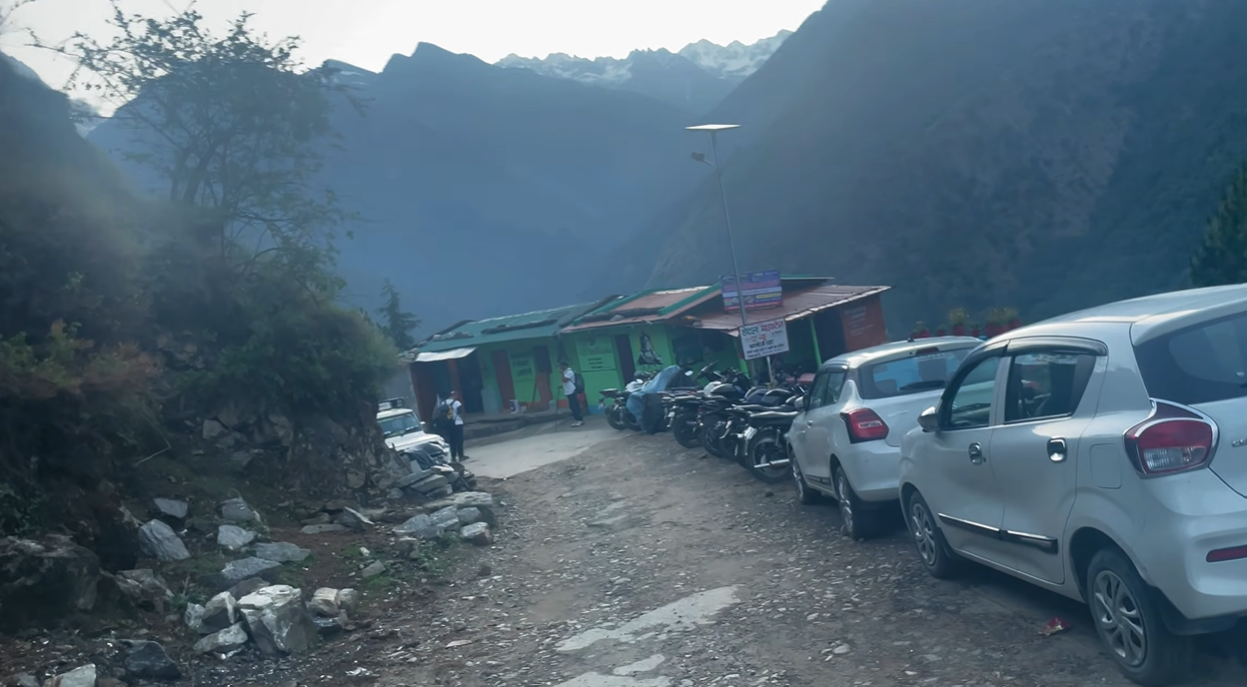
At the Madmaheshwar trek starting point, we left our car beside the road near Hotel Mountain View, where we had stayed the previous night. The last bit of road was narrow, and the cars and bikes already parked there made the start easy to spot. I would not plan on driving farther without checking the local road situation first.
If you are arranging the day before the trek, I have written separately about our stay at the Ransi trek starting point. Starting there meant we could set off in the morning without adding the walk from Ransi village.
The downhill stretch to Gaundhar was my favourite
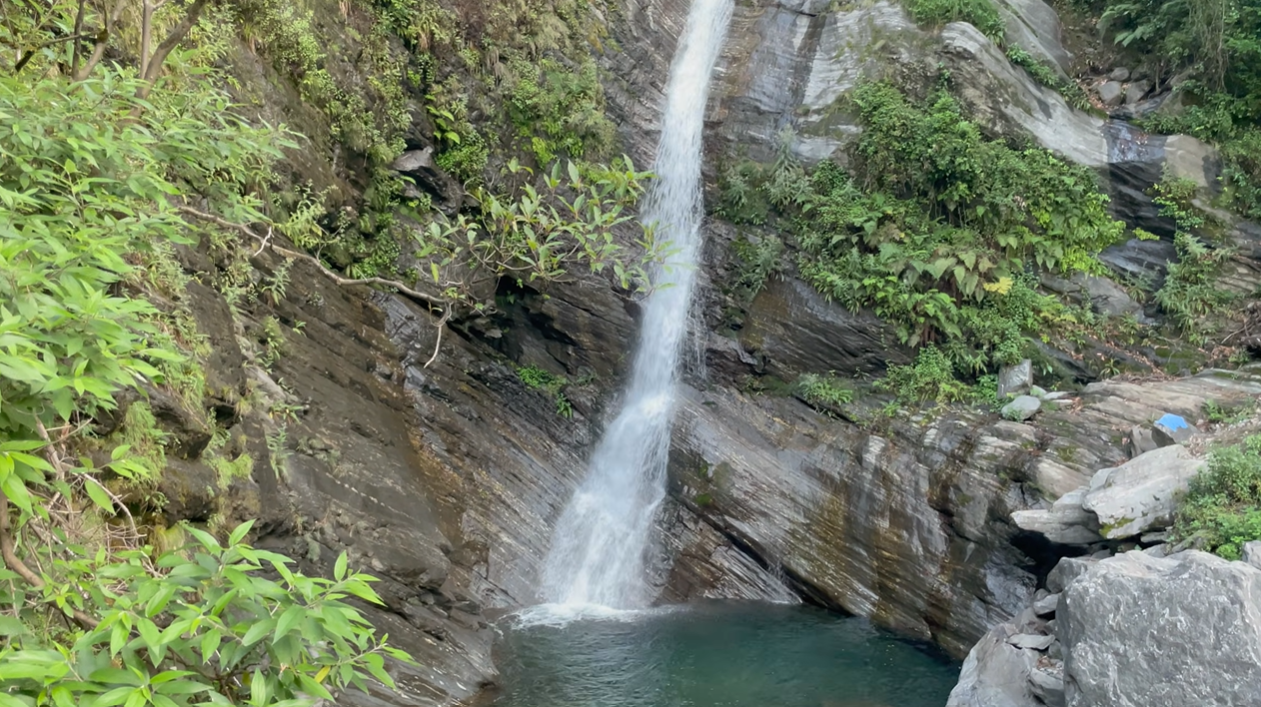
The two waterfalls came before Gaundhar, with the trail dropping towards the river. This was my favourite stretch. I could hear the water for much of the walk, and the forest opened up in places. The downhill path made the kilometres pass quickly, but it was not free distance. We would have to climb the same ground on the way back.
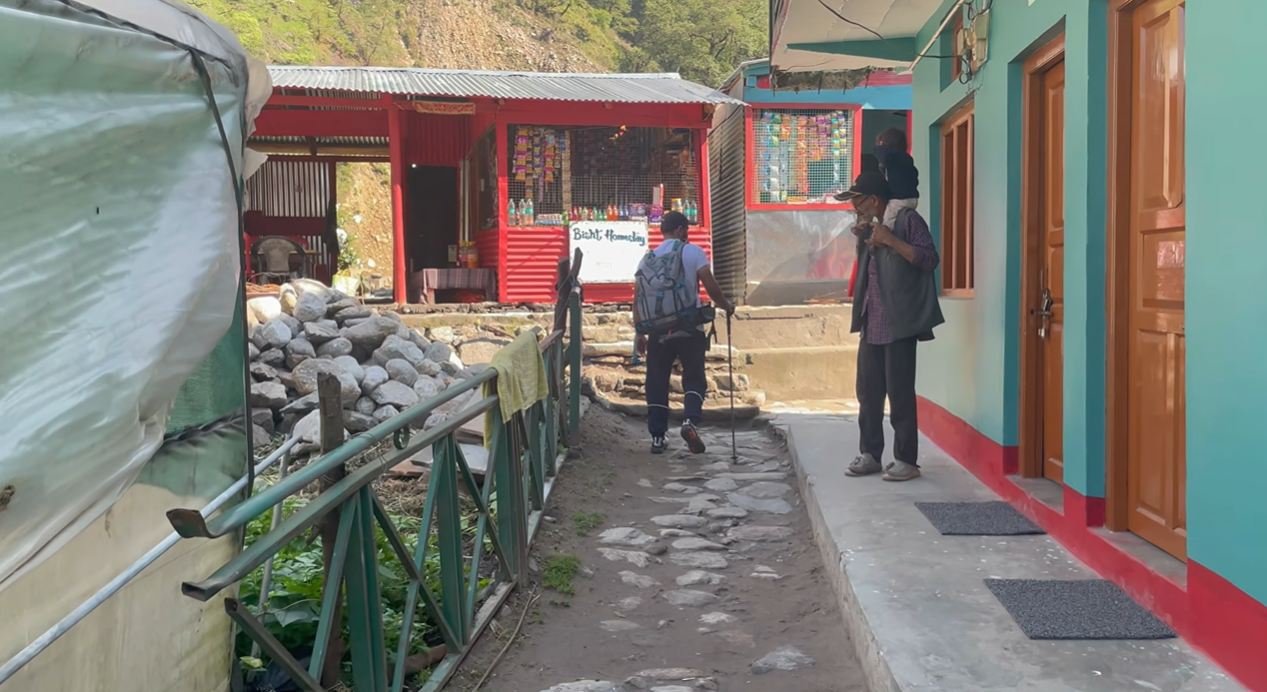
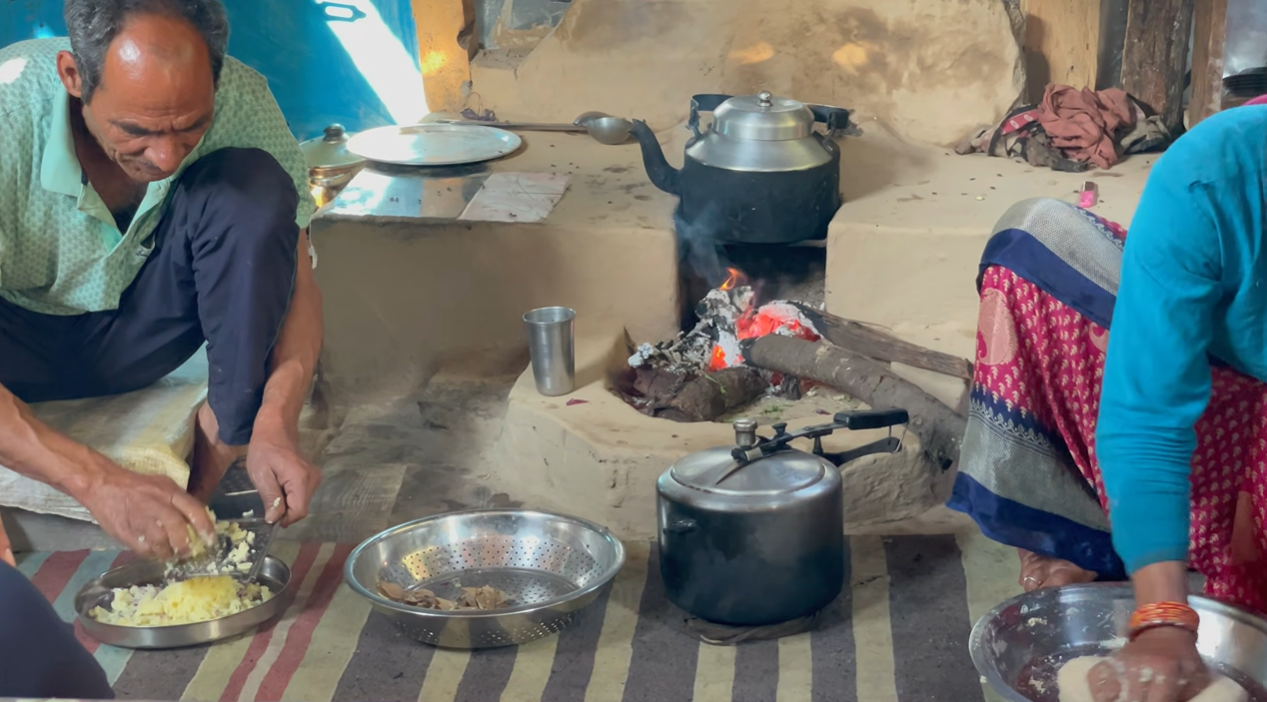
We stopped in Gaundhar for breakfast at a family-run place called Kailash. The kitchen had a wood-fired stove, and we sat there talking while food was made. Between the three of us, we had three parathas and four glasses of sharbat. The bill came to about ₹300 on our visit. I liked the food, but I remember the room just as clearly: a wood fire going, people preparing breakfast, and enough time to sit down properly. There was a toilet at the stop too.
The family told us a room for three would cost around ₹1,000 at their homestay then. We did not stay there, so I cannot comment on the room itself. It was cheaper than the ₹1,500 we had paid for our room at the trek starting point. Both figures are what we heard or paid on this trip, not current rates.
Gaundhar, Bantoli and the point where the walk changes
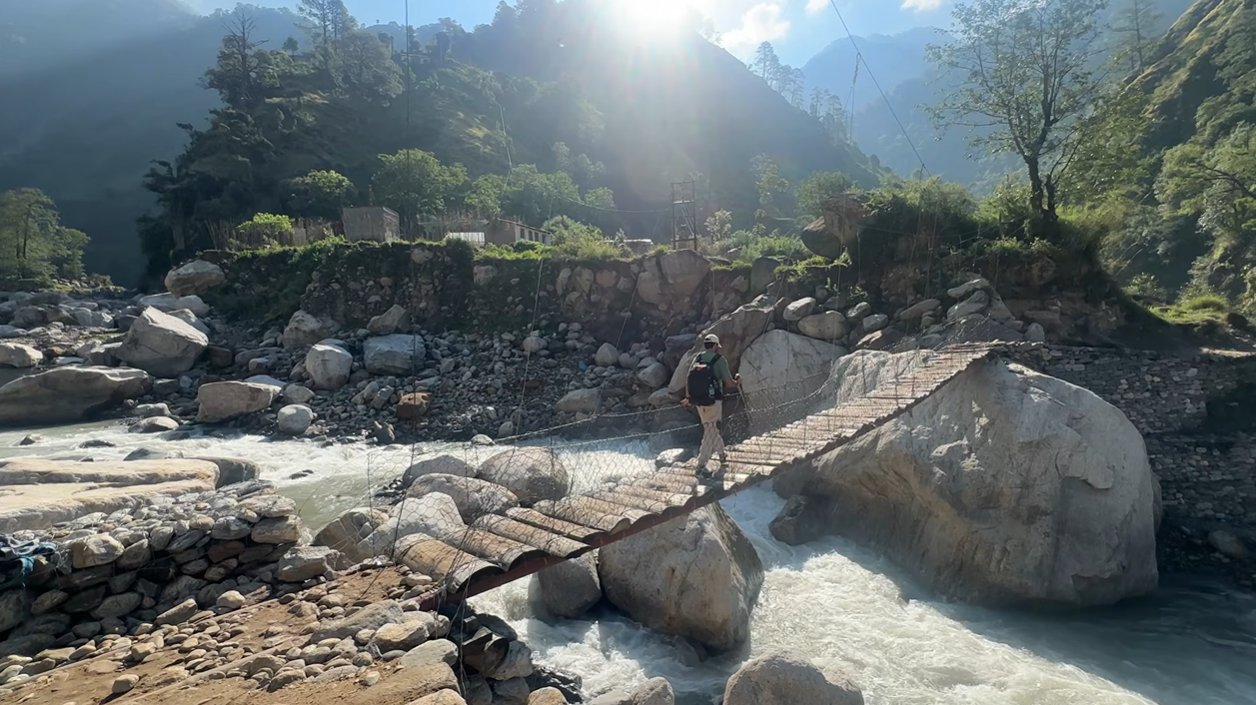
Gaundhar had several places to stay, and we saw more options around the Bantoli settlements. We passed the lower settlement by the river. One older bridge looked damaged, so we crossed on a wooden-plank footbridge nearby. It moved as we walked. That moving wooden surface needs care, especially if it is wet.
After the river crossing, Bantoli offered another chance to stop or stay. From there the Madmaheshwar trek felt different to me: more sustained uphill walking through forest, less of the easy riverside rhythm we had enjoyed earlier. We passed small places where tea, juice or snacks were available, but I would still carry water and something to eat rather than assume the next stall is open.
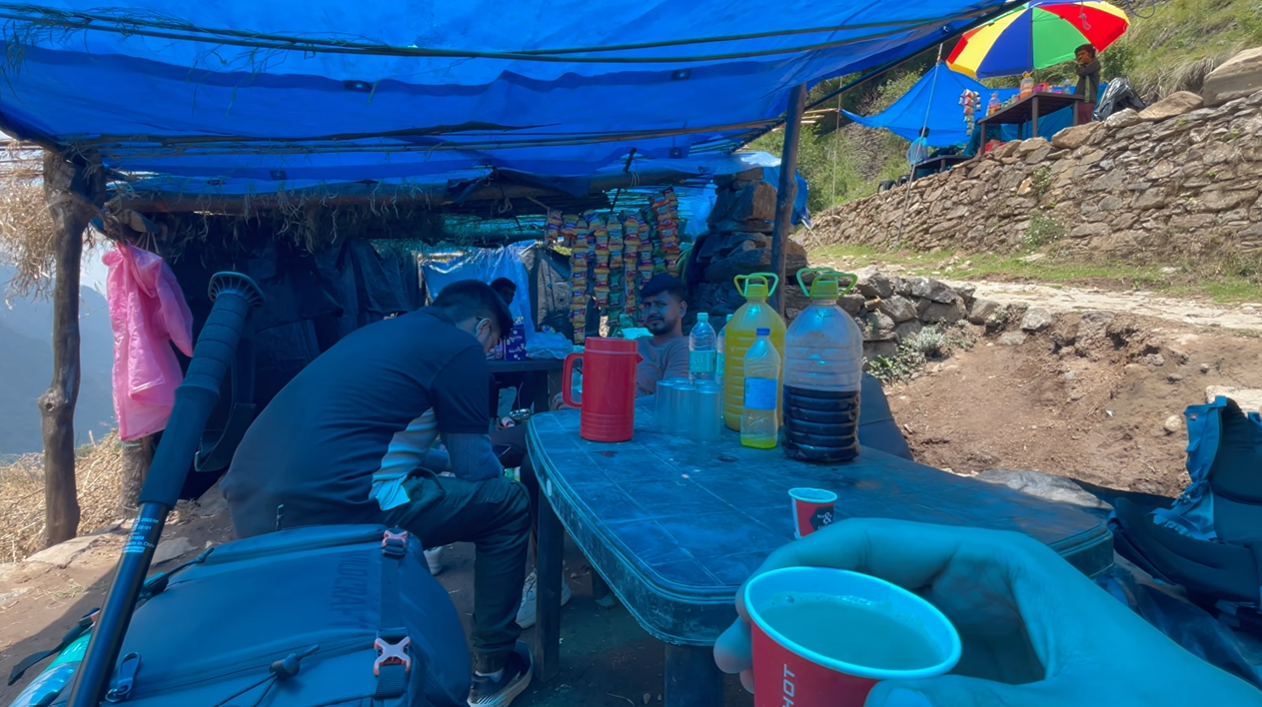
There were smaller stopping points farther up, including places the people around us called Khadra and Nanu. I saw a few camps and basic stays, but fewer choices than at Gaundhar or Bantoli. If a single long day is not appealing, splitting the trek at one of the earlier villages makes more sense to me than pushing on just because the first stretch felt easy.
We reached Madhyamaheshwar in the afternoon
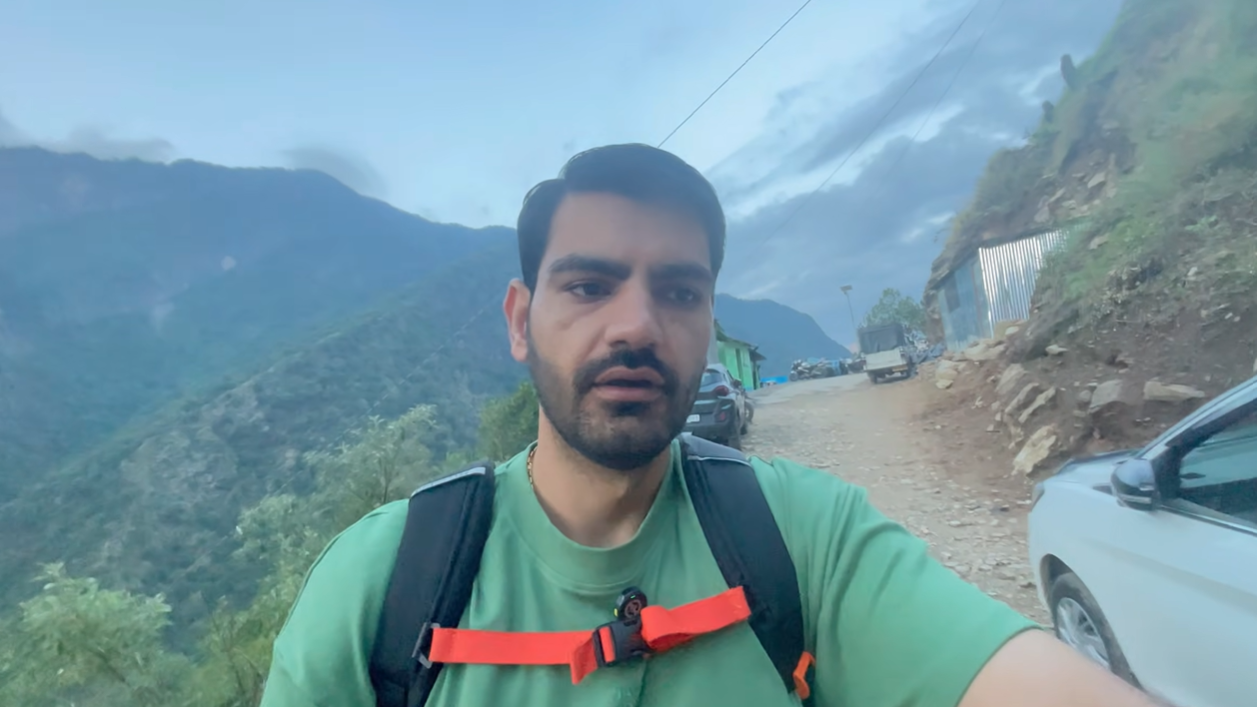
We reached the temple area at about 3 pm. One of our group came up roughly an hour or more behind the others, so we waited. The sun had made the climb uncomfortable and I was sweating hard by then. The path did not require climbing gear, but doing this ascent in one day felt demanding to me.
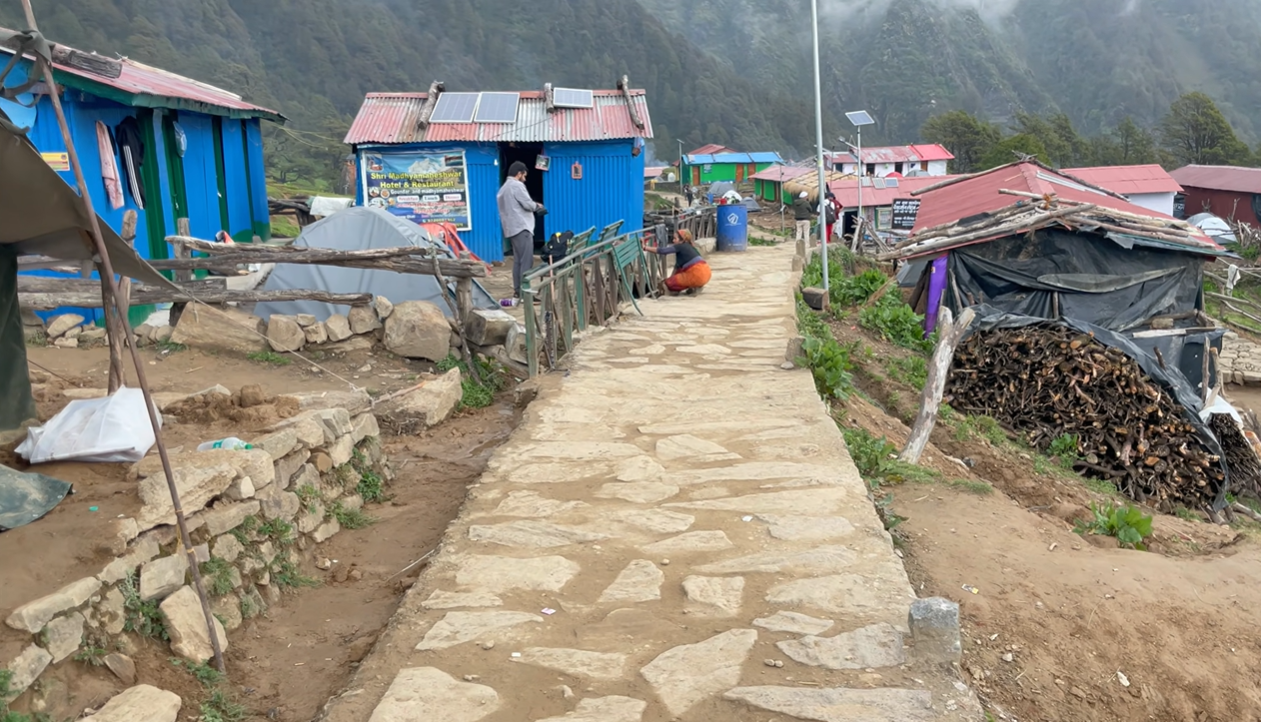
We found a homestay close to the temple and spent the night there. The small settlement had other rooms and camps, but arriving earlier gave us time to look around. If you arrive after dark on a busy day, you may have much less choice, including whether your room has the facilities you want. I would sort out the stay before waiting for the evening worship.
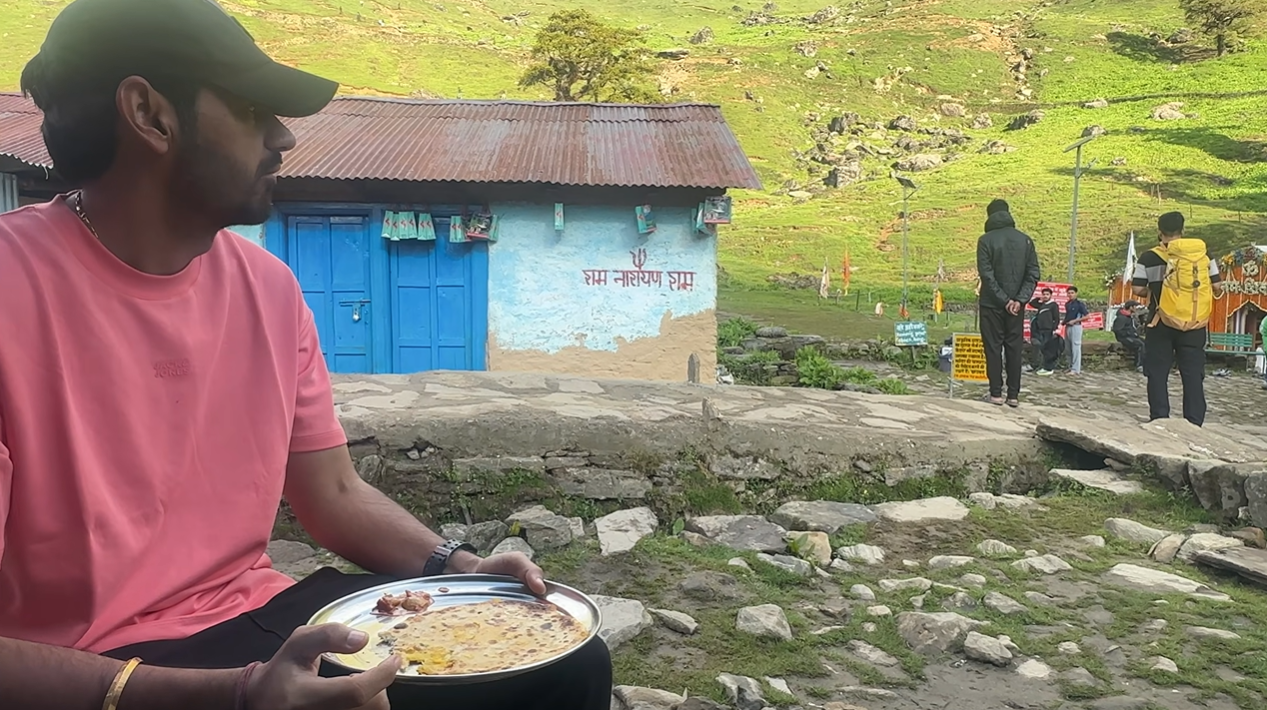
After the evening aarti and darshan, we ate dinner in the homestay kitchen: hot rotis, dal, a dry vegetable dish and rice. Nothing fancy, and exactly what I wanted after that climb. We went back to the temple the next morning. The area was quiet enough to sit for a while without feeling pushed along by a crowd.
Temple visit, aarti and one rule that surprised me
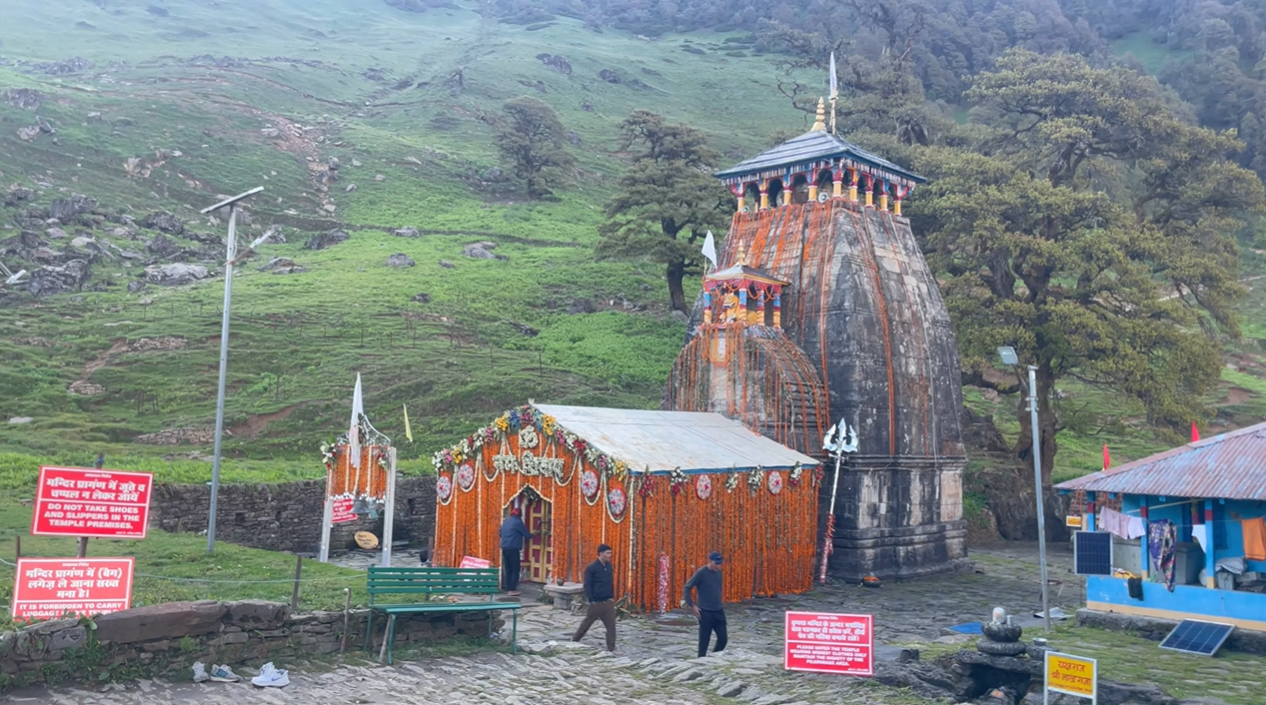
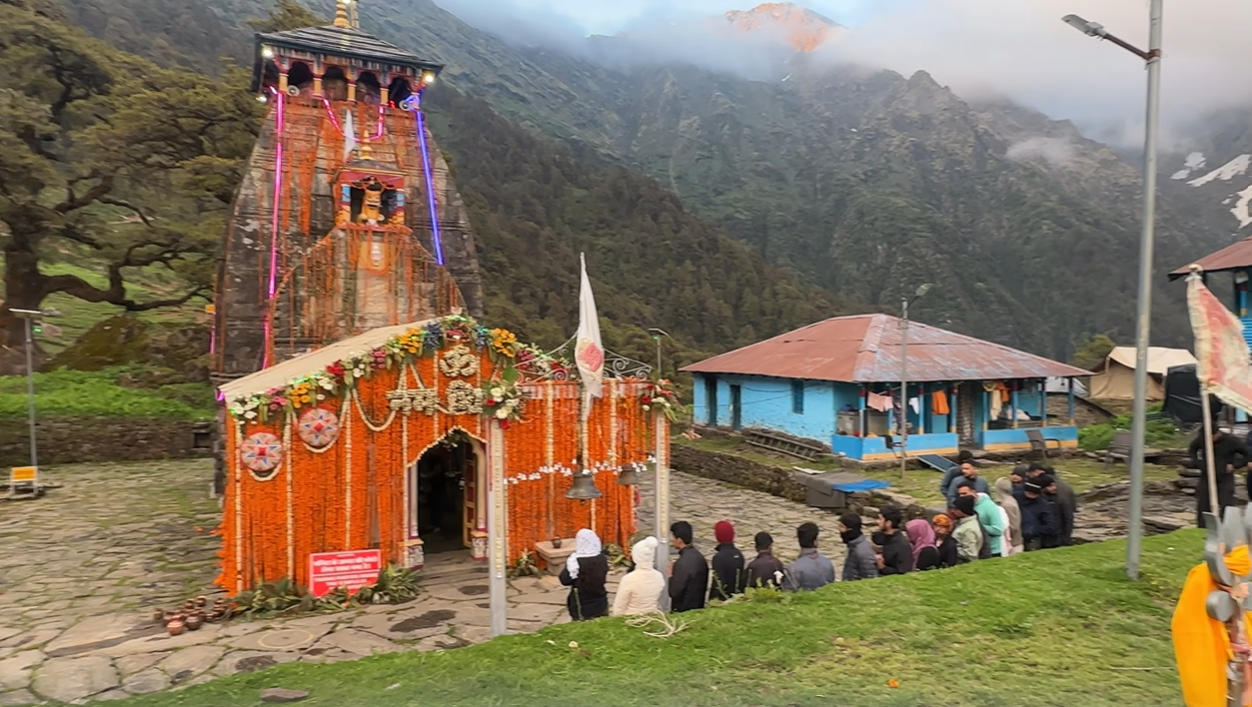
On our visit, we were told to leave shoes and bags outside the temple premises, and photography inside was not allowed. The evening queue formed before aarti. We could also sit nearby and listen before joining the line for darshan. The morning was calmer, which gave me time to sit rather than hurry away after reaching the place we had walked so far to see.
One rule did not quite make sense to me: visitors were not allowed to pour water over the shrine themselves; the priest did it on their behalf. The arrangement was orderly, but I had expected a little more freedom here because the crowd was smaller than at Kedarnath. That was my experience on this visit. Ask at the temple for the current practice and timings, as both can change.
We considered walking farther up to Budha Madhyamaheshwar. We did not go. Cloud had covered the views in the morning, and the unpaved upper path could turn slippery if rain came in. I would rather be clear about that than describe a viewpoint we never reached.
Would I do this in one day again?
I might, but I would not call it an easy day. Completing the Madmaheshwar trek to the temple before evening let us see the aarti and return for darshan in the morning. If I had an extra day, I would stop at Gaundhar or Bantoli and spare myself the rush up the second half.
If you are planning the Madmaheshwar trek, remember the shape of the route more than any single distance number: an enjoyable descent to the riverside villages, a bridge crossing, then a prolonged climb. Conditions, roadside access, prices, accommodation and temple timings can change. Check them locally before setting off, especially if rain is forecast. We walked back toward the Ransi roadhead the next day, with the earlier downhill now working against us.
This trek followed our rainy Kartik Swami Temple walk. The contrast stayed with me: a far longer day on foot here, but also a quiet night beside a temple we had worked to reach.