Lok Marudhar Nritya Udaipur: My Folk Dance Show Experience
I went to Lok Marudhar Nritya because I wanted to watch several Rajasthani folk performances in one place, with enough explanation to understand what was happening on stage. The show lasted about an hour during my visit and covered seven acts, from Chari and Kalbeliya to puppetry and Ghoomar.
The ticket cost ₹250 when I visited. I thought that was slightly expensive compared with the Dharohar show at the time, but the number and variety of performances made it a fair evening activity for me.
What the Lok Marudhar show is like
The performance brings different Rajasthani dance and puppet traditions into a compact stage programme. Two singers opened the show with Padharo Mhare Desh, accompanied by tabla, before the dancers began.
This isn’t a large theatrical production. The draw is seeing local performers present distinct styles one after another, with colourful costumes, live music and a few moments when the audience can join in.
The seven performances I watched
Chari dance
The first dance featured women balancing pots with flames on their heads. The fire immediately changed the mood in the room, and the balance required looked much harder from close range than it does in a short video clip.
Tera Tali
For Tera Tali, the performer remained seated with small metal cymbals attached to different parts of her body. She created the rhythm by striking those cymbals in different combinations. It was less dramatic than the fire act, but the coordination was fascinating to watch.
Kathputli puppetry
The programme included two puppet characters. Anarkali appeared in a flowing lehenga, while the performer used the male puppet, called Magician Ding Dong Senior in the show, for comic movements involving its head, arms and legs.
I had seen Rajasthani puppets before, but watching the operator control the small gestures from nearby made this section more enjoyable than I expected.
Mayur dance
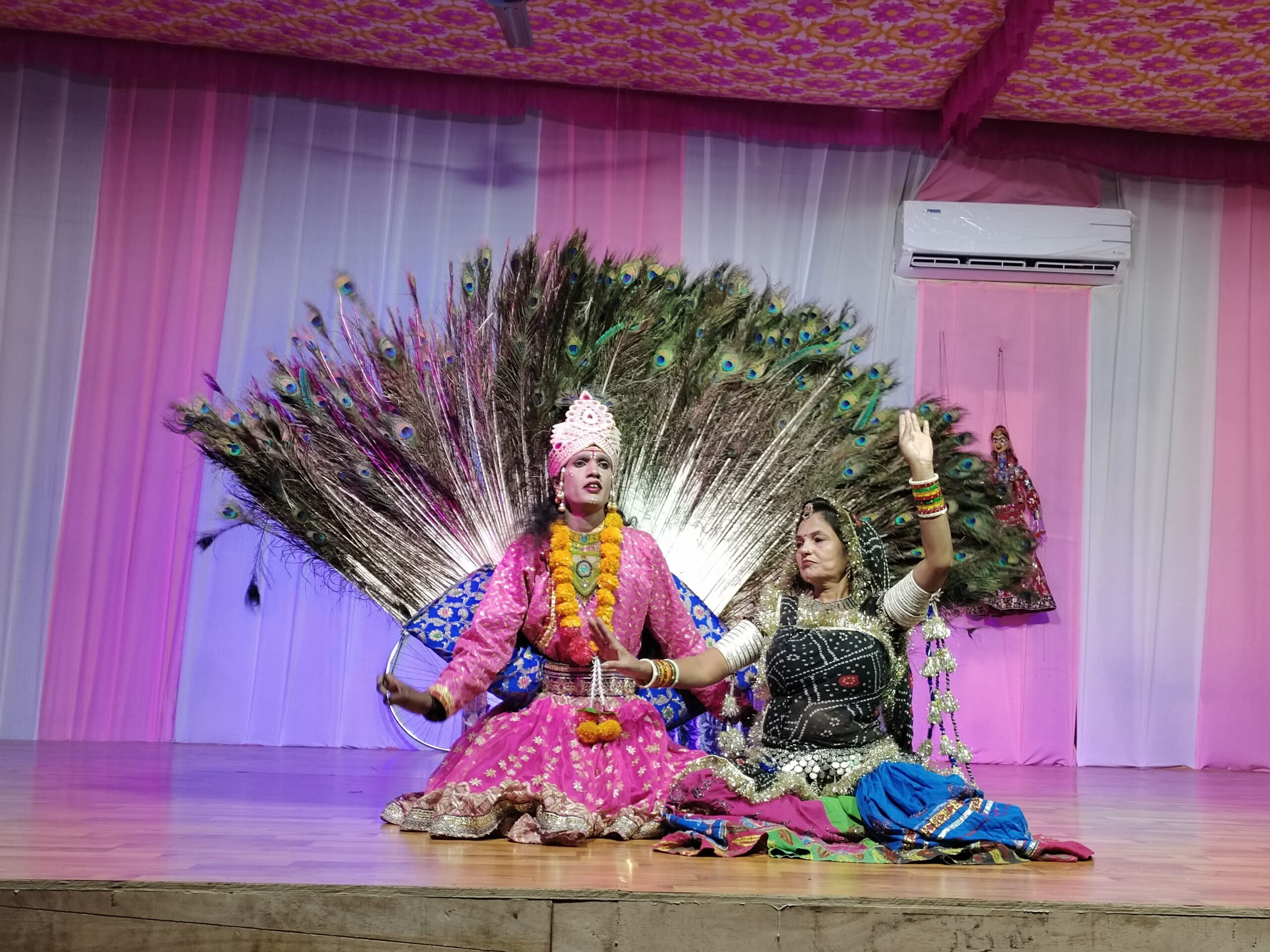
The Mayur performance used peacock-inspired movement and costume to depict Radha and Krishna. It was one of the more visual parts of the programme, with the peacock form giving the dance a different shape from the group routines.
Kalbeliya
The Kalbeliya dancer wore the familiar black embroidered costume and moved with quick turns and low, fluid gestures. This was one of the livelier sections and felt closer to the image many travellers already associate with Rajasthani folk dance.
Bhavai
Bhavai was the balancing act. The performer added earthen pots one by one, then continued while balancing on plates and metal vessels and bending towards notes on the floor. This was the performance that made me hold my breath.
Ghoomar
Ghoomar closed the session. Members of the audience were invited to join, which gave the final few minutes a relaxed, celebratory feel. Photographs with the artists were available afterwards, and tipping was voluntary during my visit.
Was the show worth the ticket?
For me, yes. ₹250 was not the cheapest cultural activity in Udaipur when I visited, but an hour with seven different acts felt more useful than seeing a single dance without context.
I wouldn’t treat it as a replacement for visiting the city’s museums, havelis or neighbourhoods. It works as an evening addition after sightseeing, especially if your Rajasthan trip is short and you haven’t watched these forms before.
Location, show time and tickets
The venue I visited was near Rani Road and took me about five minutes by auto from that area. The first show was listed at 11 am, with later sessions running at intervals until the evening.
Those details describe my visit in 2023. Online listings now show different prices, addresses and hours, and I couldn’t find a reliable official booking page for this exact venue. Confirm the current location, session time and complete ticket amount before leaving your hotel.
Do not confuse Lok Marudhar Nritya with Lok Dharohar at Bagore Ki Haveli. They are separate shows. Search results frequently mix their names, addresses and booking information.
Who will enjoy it most?
I would recommend the show to families, first-time Rajasthan visitors and anyone interested in dance or puppetry. Children are likely to enjoy the fire pots, puppets and balancing act even if they don’t follow every cultural reference.
If you have already attended several folk programmes across Rajasthan, some sections may feel familiar. The main advantage here is the range packed into one sitting.
Questions to check before visiting
How long is the Lok Marudhar Nritya show?
My session ran for about one hour and included seven performance styles. Current programme length may vary, so confirm it when buying the ticket.
What was the ticket price?
I paid ₹250 per person during my visit. That is a historical price, not a current quote.
Can the audience join the dance?
During my visit, audience members could join the closing Ghoomar performance. Photographs with the artists were also possible afterwards.
Which act stood out most?
Bhavai stood out for me because the performer kept adding pots while balancing on plates and metal vessels. Chari was another memorable act because the dancers performed with flames above their heads.
Adding it to an Udaipur trip
The show fits easily after a day of sightseeing. If you’re building a longer Rajasthan route, read my Kishangarh Dumping Yard visit and Bahubali Hills Udaipur guide before planning the drive.
My final impression
I went in expecting a simple folk-dance show and came away remembering the smaller details: the cymbals attached to the Tera Tali performer, the comic puppet movements and the pause in the room as the Bhavai dancer added another pot. That variety is the reason I felt the ticket was worthwhile.