Naggar Village Travel Guide: My Tree of Life Eila Stay
Naggar felt very different from the busier parts of Manali. I came here for a stay at Tree of Life Eila Art Hotel, and the slower setting was a big part of the appeal. This guide combines what I saw during that trip with current information from official sources, so you can decide whether Naggar deserves a place in your Himachal plan.
My first impression of Naggar
Naggar sits above the Beas Valley, away from Manali’s busiest market streets. The first thing that stayed with me was the sense of space. Forested slopes, scattered houses and mountain views do most of the work here. It isn’t a destination where you rush between ten attractions.
That quieter pace will suit some travellers more than others. If you want nightlife, constant shopping and a packed café strip, central Manali is the easier base. Naggar makes more sense if old buildings, temples, art and unhurried walks sound like a good day.
What makes Naggar worth visiting?
Naggar works as a calm cultural stop close to Manali. The official Himachal Tourism guide places it about 22 km from Manali and identifies Naggar Castle, the Nicholas Roerich Art Gallery, Vasuki Nag Temple, Tripura Sundari Temple and Gauri Shankar Temple among its main sights.
The village was once the capital of the Kullu principality before the seat moved to Sultanpur in 1660. That history is still visible in the timber and stone architecture. This is the part of Naggar I find more interesting than calling it another “hidden gem.” It has a clear identity of its own.
Naggar Castle is the natural starting point
Naggar Castle is the landmark most visitors recognise. Himachal Tourism says Raja Sidh Singh of Kullu built it around 1460. Its construction uses large logs and stones in the local Western Himalayan style, and the building now operates as a heritage hotel under Himachal Tourism.
You do not need to treat the castle as a quick photo stop. Look at the woodwork, walk slowly through the accessible areas and leave time for the valley view. Access arrangements can change when a heritage property is also functioning as a hotel, so check locally before making a tightly timed plan.
The Roerich side of Naggar
The Nicholas Roerich Art Gallery adds a completely different layer to a Naggar visit. Roerich made his home here, and his former residence now displays his work. Even if you aren’t someone who normally plans trips around galleries, the relationship between the paintings and the surrounding Himalayan landscape makes this stop relevant.
I would pair the gallery with the castle rather than trying to squeeze it into a rushed Manali sightseeing loop. Confirm the current opening day, hours and ticket arrangements locally before leaving. I have not added a fixed fee here because I could not verify a current official price.
Temples to include without rushing
Tripura Sundari Temple and Gauri Shankar Temple are among the best-known religious sites around Naggar. Himachal Tourism also lists Vasuki Nag Temple. These are active places of worship, not decorative tourist sets, so dress respectfully, keep voices low and ask before photographing people or rituals.
Footwear rules and photography restrictions may differ at each site. A little patience helps. The lanes and slopes around the village can also take longer than a map suggests, particularly if you stop for views or travel with older family members.
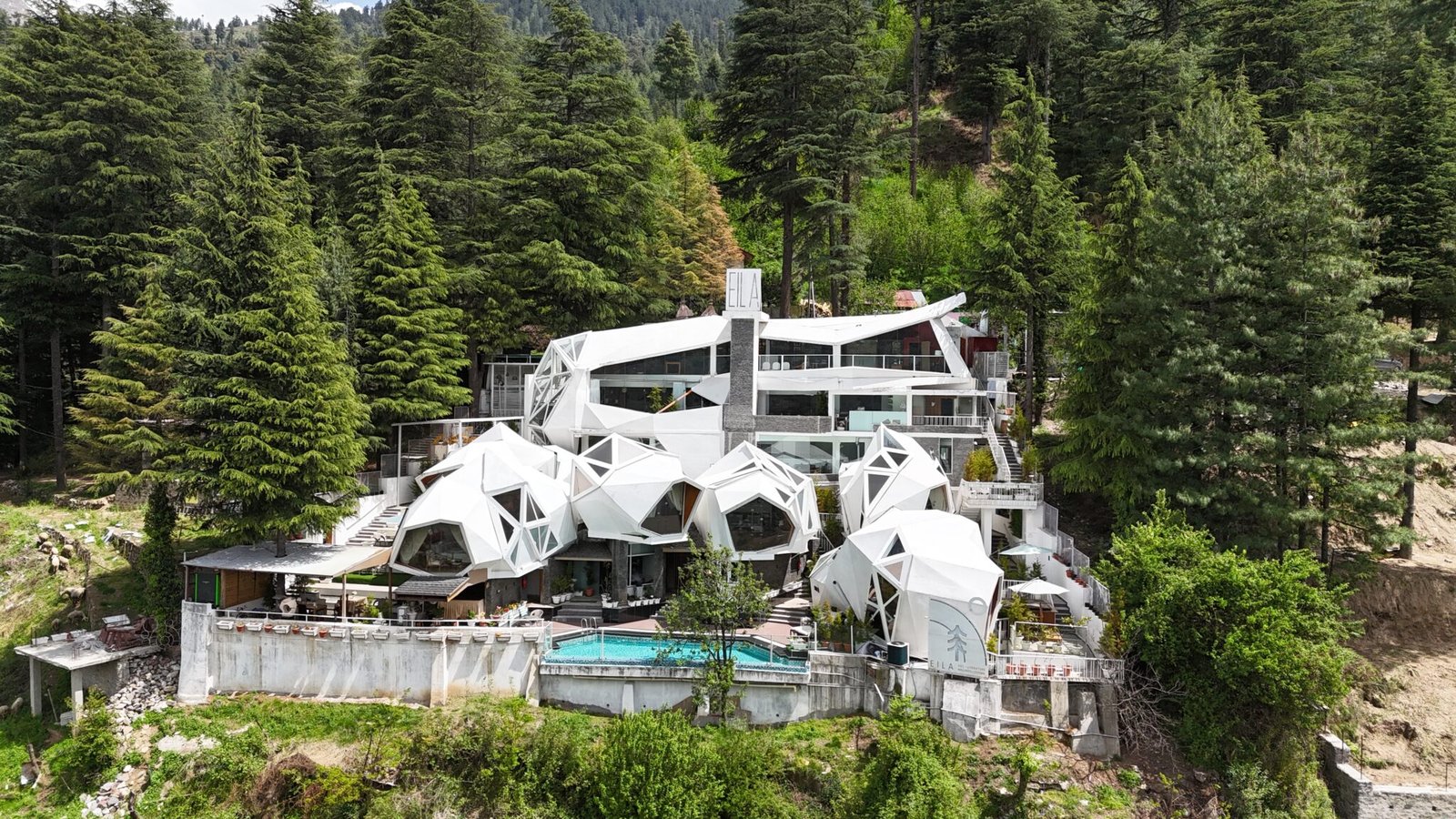
My stay at Tree of Life Eila Art Hotel
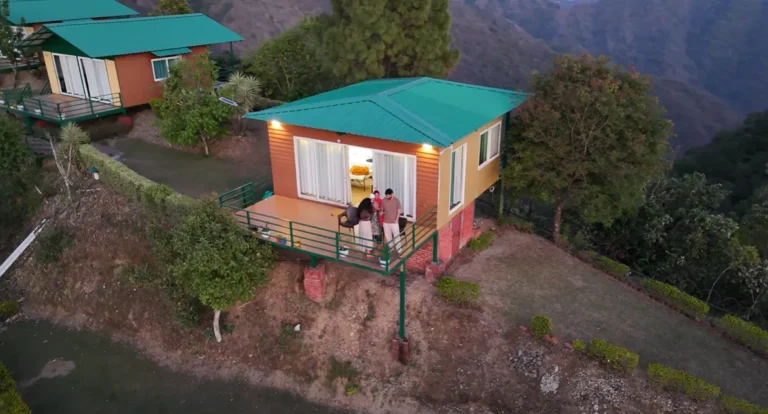
Tree of Life Eila Art Hotel was the focus of my Naggar trip. From above, the property sits into a green hillside rather than looking like a large city hotel dropped into the mountains. The art-led character also separates it from a plain overnight stop.
The hotel’s official Naggar page describes rooms arranged across three levels, an art gallery, library corner, spa, poolside café, amphitheatre and yoga deck. Its accommodation page lists several room sizes and layouts, so check the current room description before booking instead of assuming every room has the same view or access.
I am deliberately not quoting my old room rate. Hotel prices vary by room, date and package, and an old figure would not help you plan accurately. The same applies to inclusions. Check whether breakfast, taxes, cancellation and any local experience are part of the rate shown for your dates.
The setting was the strongest reason for choosing this stay. The trade-off is location. A quieter hillside property can mean more dependence on your own car or a taxi, especially after dark or when you want to move between scattered sights. Decide whether peace or walkable convenience matters more to you.
How to reach Naggar
From Manali, Naggar is about 22 km away according to Himachal Tourism. A taxi or private vehicle gives you the easiest control over stops and return time. Local bus options may be available, but routes and frequency can change, so confirm them at the bus stand on the day you travel.
For air travel, the Tree of Life website places Bhuntar Airport about 19 km from the hotel. Flight schedules in the mountains can be limited and weather-sensitive. Keep some time in hand, particularly if your trip depends on a same-day connection.
If you are driving, do not plan only from the distance shown on a map. Mountain roads, traffic, weather and roadwork can stretch a short route. Avoid pushing a tired driver into a late arrival merely because the kilometre count looks small.
When should you visit?
There is no single perfect month for everyone. Spring and early summer suit travellers who prefer milder conditions and easier outdoor movement. Autumn often appeals to people looking for clearer views after the rains. Winter can bring cold conditions and the possibility of snow, which changes both the scenery and the road plan.
The monsoon needs more caution. Heavy rain can affect Himachal roads, so check the weather forecast and official local advisories close to departure. I would not build a rigid itinerary around long drives during a severe rain warning.
Pack for the season, but keep a warm layer even when daytime weather looks comfortable. Hill temperatures can shift quickly after sunset. Comfortable shoes are more useful here than dressy footwear because Naggar rewards walking and has uneven slopes.
A practical one-day Naggar plan
Start with Naggar Castle in the morning, then visit the Roerich estate when it is open. Have lunch without turning it into a race, and use the afternoon for one or two temples plus a village walk. That is enough for a satisfying day.
If you are staying overnight, slow it down further. Move one sight to the next morning and leave a quiet hour for the valley. Naggar loses some of its charm when it becomes a checklist.
Food planning without guesswork
My original material does not record enough detail about specific dishes, portions or prices for me to give you an honest restaurant ranking. I would rather leave those claims out than pretend I remember an exact meal.
At Tree of Life Eila, the official dining page currently describes Gujarati, Continental, North Indian and Rajasthani choices, along with an all-day restaurant and outdoor valley-view seating. Menus and prices can change, so ask for the current menu if food cost is important to your booking decision.
Who will enjoy Naggar most?
I would suggest Naggar to couples, families and solo travellers who are comfortable with a quieter hill stay. It is particularly good for people interested in Himalayan architecture, local history and art. Photographers also get plenty to work with, but the village deserves more than a quick reel.
Travellers who want every attraction beside a busy market may find it too quiet. Anyone with limited mobility should also ask hotels and drivers about slopes, stairs and vehicle access before booking. “Close” in a hill village does not always mean an easy walk.
What I would do before booking
I would check the weather, road conditions, gallery opening information and hotel cancellation terms in the same week. I would also confirm the exact room category, view and meal plan directly with the property. Those small checks prevent most avoidable disappointment.
Naggar gave me the slower Himachal break I was looking for. The hotel setting was memorable, but the village itself is the reason the trip has more substance than a resort stay. Give the castle, art and old temples time, and let the day breathe.
More travel stories from my trips
If you are planning more mountain travel, read my Sissu Village guide, my honest account of White Musk Resort in Sethan, and my Chitkul travel guide. For a heritage stay closer to Delhi NCR, see my Neemrana Fort Palace review.