Rishikesh Travel Guide (Updated 2026): My Honest Weekend Trip from Delhi
I left Delhi NCR at around 5:30 in the morning because I wanted to get onto the highway before the traffic built up. The early start worked until Haridwar. After that, the trip changed completely. The short stretch from Haridwar to Rishikesh took me roughly three hours, and by the time I reached my stay, I was already tired of sitting in the car.
This Rishikesh travel guide is based on that trip, including the parts that went wrong. Rishikesh can be an easy road trip from Delhi on paper, but a busy weekend can turn it into a long day. If you’re planning the same route, the timing of your drive may matter more than the number of places on your list.
My quick take: Rishikesh is a good choice for the river, rafting, cafes and a slow break from NCR. I would not repeat my mistake of driving into the city on a busy Saturday morning. Leave very early, check the pilgrimage calendar, keep your plan loose and be ready to skip a crowded stop.
Watch what happened on my Rishikesh road trip
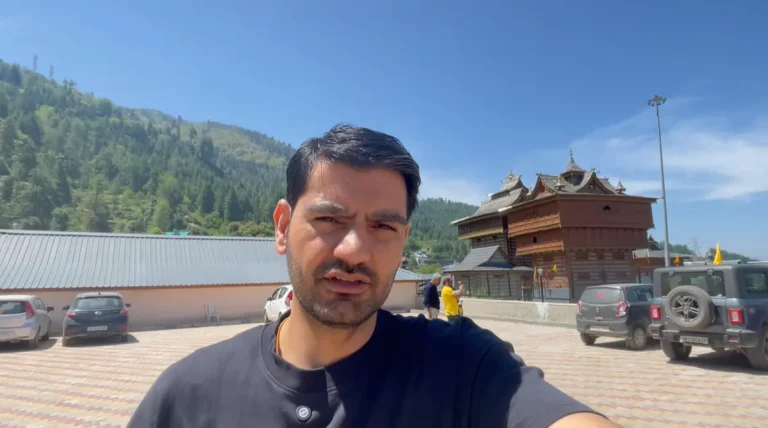
The video below shows the drive, the traffic and why I changed my plan. It is a more honest picture of a weekend in Rishikesh than a neat itinerary that assumes every road will be clear.
Play my Rishikesh weekend road trip video on YouTube
The part of the journey I underestimated
The road from Delhi NCR felt manageable because I had started before sunrise. I took a break on the way and reached Haridwar without feeling rushed. Then I met the weekend traffic between Haridwar and Rishikesh.
It was bad. Very bad.
That final stretch took about three hours during my visit. Rishikesh is also a route used by pilgrims travelling farther into Uttarakhand, so traffic can rise sharply during pilgrimage periods as well as on weekends. The official Uttarakhand tourism portal currently lists Rishikesh as a road-connected destination with buses available from Delhi’s ISBT Kashmiri Gate, but no timetable can predict a jam on the day you travel.
My practical advice is simple. Do not plan the drive as if the map estimate is guaranteed. Start early, keep water and snacks in the car, check current road conditions before leaving Haridwar and avoid fixing a non-refundable activity too close to your expected arrival time.
Where I stayed and what worked there
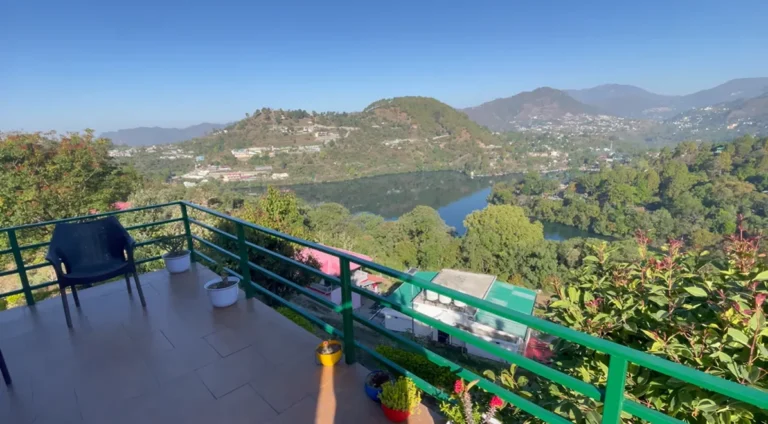
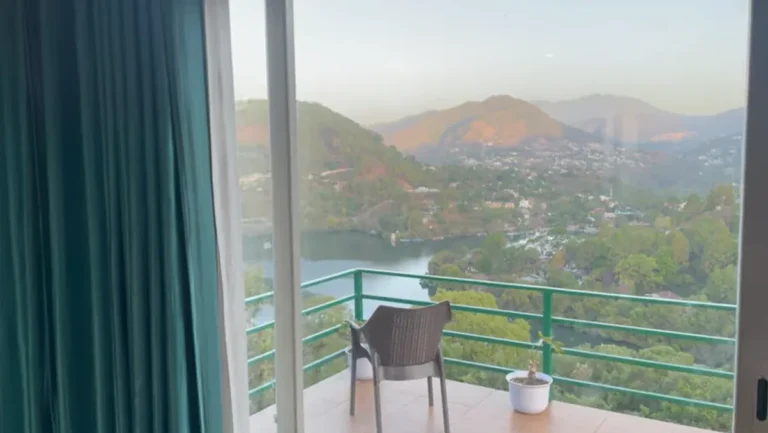
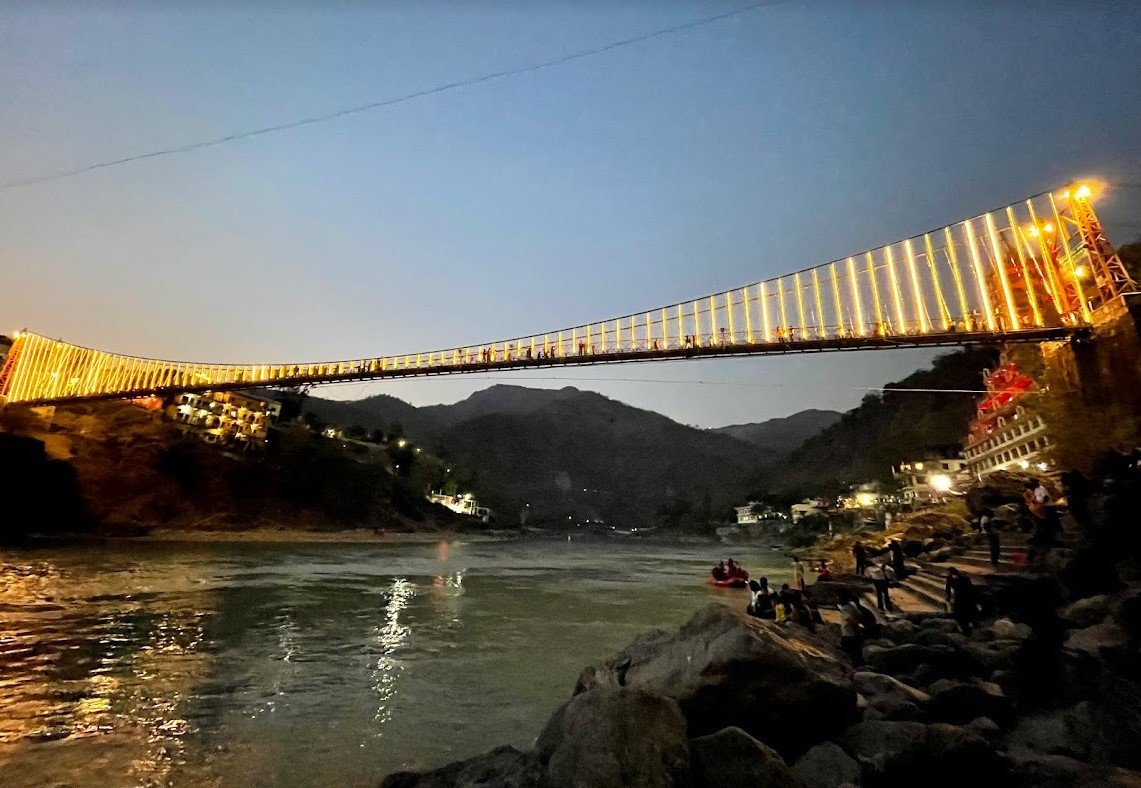
I stayed at Neeraj Ganga Heritage Palace, in the area between Lakshman Jhula and Ram Jhula. The location worked well for sitting near the river, and that quiet time became the best part of the trip after the stressful drive.
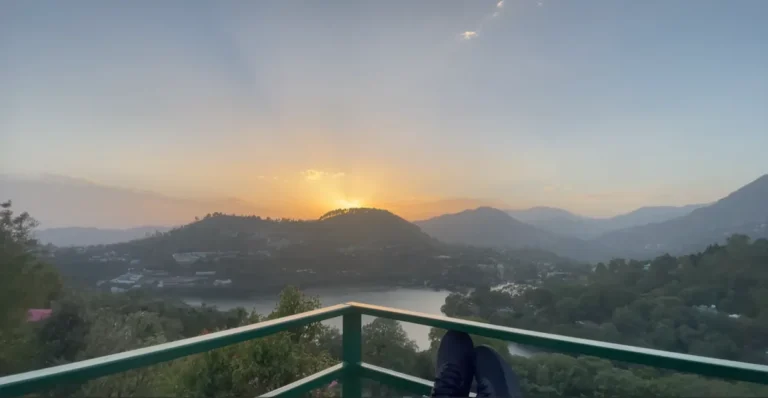
I liked being able to settle down, look at the river and stop chasing the itinerary. In the evening, the setting felt much better. The food at the property was fine, not memorable, but it was convenient. After seeing the queue at a small restaurant near Lakshman Jhula, I felt staying back and eating at the property was the sensible choice.
This is one detail I would check before booking any Rishikesh stay: ask where the parking actually is. A listing may say parking is available, but the space can be away from the building or difficult to reach through narrow, busy roads.
I tried visiting a waterfall, then turned back
I went towards a waterfall and found a crowd stretching for what looked like nearly a kilometre. That was enough for me. I turned around instead of spending more time in another queue.
The return was not easier. I took the Chilla side route and crossed a water section on the way, but the traffic later became painfully slow. It took around four to five hours to get out of that stretch. The trip I had imagined was gone, so I cut it short.
This was the mixed part of my experience. The river and the stay were calming, but the road and crowd took away much of the enjoyment. If a waterfall, cafe or viewpoint is packed, leaving it for another visit can save the day. Rishikesh does not become less interesting because you miss one stop.
Rafting needs a safer plan than picking the first signboard
Rafting is one of the main reasons people travel to Rishikesh. The official Uttarakhand Tourism page says authorised operators and instructors are available for different rafting grades, and it lists September to June as the usual rafting period. Conditions can still change with river flow, weather and official restrictions, so confirm availability shortly before the trip.
Choose an authorised operator, listen to the safety briefing and wear the supplied life jacket correctly. Ask which stretch you are booking and whether it suits every person in your group. Uttarakhand Tourism describes the Shivpuri to Rishikesh route as a 16 km stretch with named rapids, while the longer Kaudiyala route includes more difficult Grade III and Grade IV sections and should not be attempted without an expert guide.
I would not book a route only because it is longer or cheaper. Your swimming confidence, health, age, river conditions and the operator’s instructions all matter. Families travelling with small children or older members can enjoy Rishikesh without forcing rafting into the plan.
A slower afternoon near the Ganga
After a difficult drive, the best plan may be the simplest one. Sit near the river, walk around the ghats, have tea and give yourself enough time to reach the evening aarti without rushing.
Triveni Ghat is the best-known bathing ghat in central Rishikesh, and the Uttarakhand Tourism page highlights its evening aarti. Parmarth Niketan, on the bank of the Ganga near the Ram Jhula side, is another well-known place associated with yoga, meditation and the evening ceremony.
Do check the day’s timing locally. Seasonal light, ceremonies and crowd control can affect the schedule. Reach early enough to find a sensible place to sit, keep passages clear and treat the ceremony as a religious gathering, not just a photo stop.
Cafes are useful, but queues can decide for you
Tapovan and the areas around the river have plenty of cafes, from simple breakfast places to restaurants serving pizza, pasta, sandwiches and North Indian meals. On my visit, a popular place near Lakshman Jhula had a long queue. I did not feel the meal was worth another wait after the traffic.
If a particular cafe matters to you, check its current location and opening hours directly before going. Businesses change, and the old timings in many travel blogs can be wrong. I would keep two nearby options saved and choose based on the crowd.
There is no shame in having tea at your hotel and watching the river instead. That turned out to be a better use of my evening.
My realistic three-day Rishikesh plan
Day one: arrive without filling the schedule
Leave Delhi NCR well before the morning rush and keep the arrival day light. Check in, eat, rest and spend the evening by the Ganga. If traffic has already taken several hours from you, do not race across town just to complete a list.
Day two: choose one main experience
Pick rafting with an authorised operator if conditions and your group are suitable. If not, use the day for Triveni Ghat, the Ram Jhula area, Parmarth Niketan or the Beatles Ashram. Uttarakhand Tourism identifies the Beatles Ashram, also called Chaurasi Kutia, in the Swargashram area as the former ashram visited by the Beatles in 1968.
Keep the evening free for aarti or an unhurried meal. One main activity and one flexible stop are enough on a crowded day.
Day three: breakfast, one short stop and an early return
Have breakfast, visit one place you missed and leave before the return traffic grows. If the roads already look heavy, skip the extra stop. I learned this the hard way.
How I would plan the drive differently now
- I would avoid entering Rishikesh during the busiest part of Saturday.
- I would check the current pilgrimage calendar and live road conditions before leaving.
- I would ask the hotel about the exact parking location and approach road.
- I would book only one time-sensitive activity for the whole day.
- I would keep a backup route in mind, but I would not assume it will be empty.
For travellers using public transport, Uttarakhand Tourism lists road, rail and air options. Jolly Grant Airport is the nearest airport, and buses connect Rishikesh with Delhi and other cities in Uttarakhand. Verify the current schedule with the transport provider because services and departure points can change.
When should you visit Rishikesh?
For rafting, the official tourism guidance points to September through June, subject to conditions and local permission. For a general visit, your best month depends on whether you prefer cooler walks, warmer river weather or fewer people.
I would pay equal attention to the day of the week. A pleasant month can still produce an exhausting weekend if traffic and crowds peak together. If your dates are flexible, a weekday gives you a better chance of experiencing the quieter Rishikesh people talk about.
Is two days enough?
Two days can work if you choose your priorities. You can spend time by the river, attend an evening aarti and do either rafting or sightseeing. Trying to fit rafting, waterfalls, cafes, ashrams and several bridges into the same short visit makes delays much harder to absorb.
Three days felt like the safer plan to me, but only if the first and last days are not packed. The city rewards time left open.
Useful links before you leave
Check the official Uttarakhand Tourism Rishikesh guide for destination and access information. For rafting route context, see the official Rishikesh river rafting itinerary. If your route overlaps with the Char Dham pilgrimage period, the official Tourist Care Uttarakhand portal can help you check current registration information.
You may also find my Delhi travel guide, Jaipur guide and Neemrana Fort stay useful for other road trips from NCR.
Would I go back?
Yes, but not with the same plan. I would travel on a weekday, reach before the city gets busy and spend more time near the river instead of chasing multiple attractions. Rishikesh itself was not the problem. My timing was.